Why Replacing Missing Teeth Matters
A gap can affect chewing, speech, facial support, and the way neighboring teeth shift over time. Replacement can help preserve comfort and stability. Wilson Dentistry helps Katy patients understand the answer clearly, compare options, and decide what makes sense for long-term oral health.
info@wilsondentistrytx.com
The health reason this conversation matters.
Teeth work together to support biting, chewing, speech, and jaw alignment.
When one or more teeth are lost, the surrounding teeth and oral structures are forced to compensate.

crafted
care
Ready for a clearer next step? The Wilson Dentistry team can help you choose care that fits your smile.
The reason behind the recommendation.
A gap can affect chewing, speech, facial support, and the way neighboring teeth shift over time. Replacement can help preserve comfort and stability.
We explain bridges, implants, partials, and other options so patients understand what happens if they wait and what choices may fit.
 Katy
Katycrafted
care
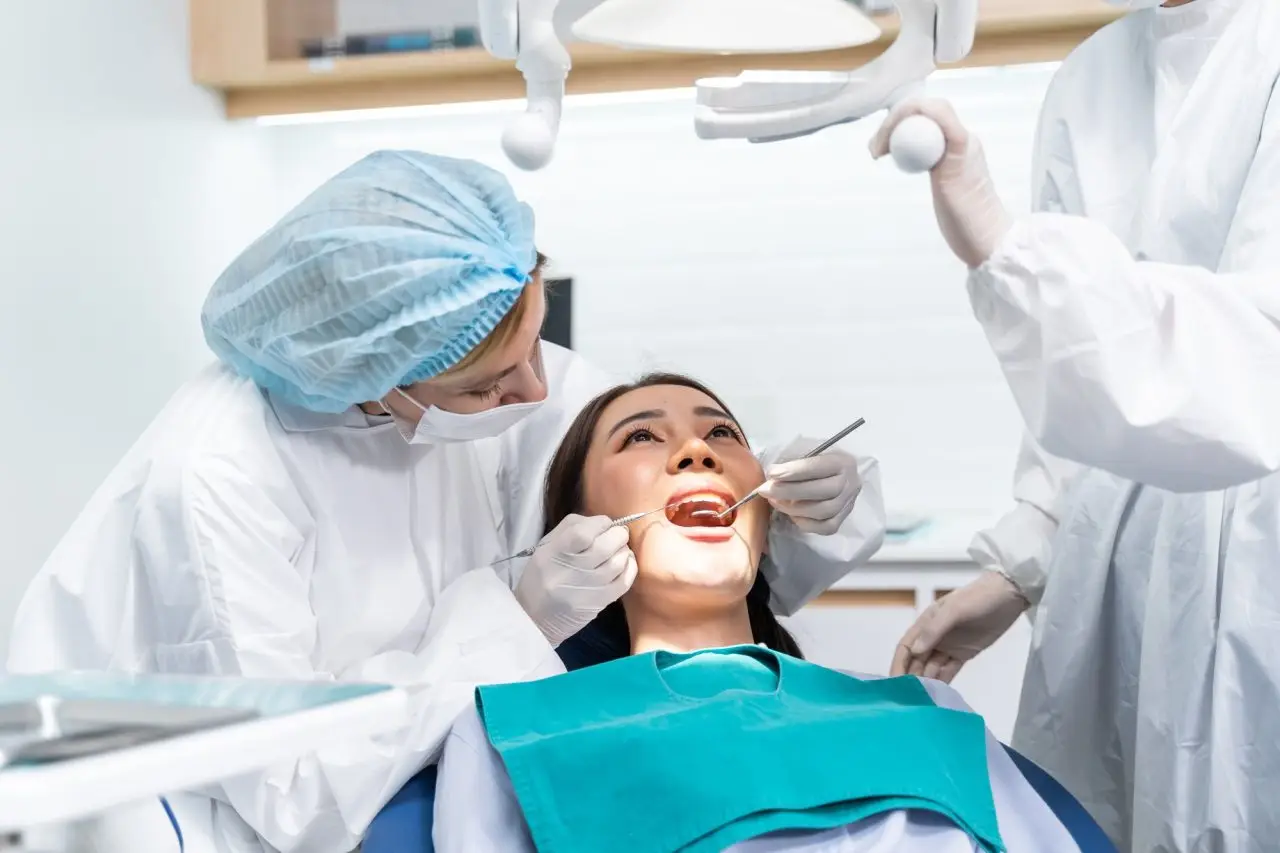
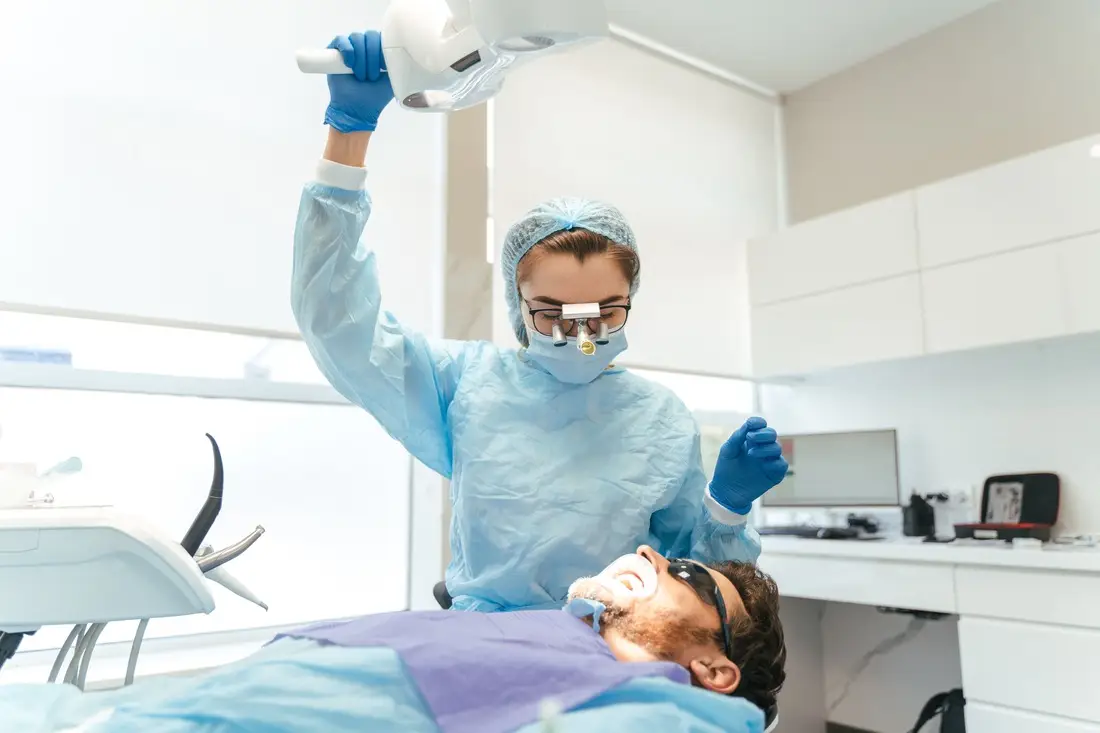
A missing tooth can change more than the appearance of a smile. Teeth work together to support biting, chewing, speech, and jaw alignment. When one or more teeth are lost, the surrounding teeth and oral structures are forced to compensate. Over time, this can affect comfort, confidence, and long-term dental health. Replacing missing teeth helps preserve function and protects the stability of the remaining natural teeth.
Why Do We Lose Teeth?
Tooth loss can happen for many different reasons. Some cases are caused by sudden trauma, while others develop gradually due to oral health conditions that worsen over time.
One of the most common causes of tooth loss is advanced gum disease. Periodontal disease affects the gums and supporting bone around the teeth. As the infection progresses, the bone holding the teeth in place can deteriorate, eventually leading to loose or lost teeth.
Severe tooth decay is another major reason people lose teeth. When cavities are left untreated, bacteria can spread deep into the tooth and surrounding tissues. In some situations, the damage becomes too extensive for restorative treatment, making extraction necessary.
Injuries and accidents can also result in tooth loss. Sports injuries, falls, and vehicle accidents may crack, loosen, or completely dislodge teeth. Even with prompt treatment, some teeth cannot be saved after significant trauma.
Other causes of tooth loss may include:
• Failed dental work
• Chronic teeth grinding
• Poor oral hygiene
• Medical conditions affecting bone health
• Smoking and tobacco use
• Congenital missing teeth
• Complications from infection or abscesses
Age can also contribute to tooth loss, especially when oral health concerns accumulate over many years. However, losing teeth is not considered a normal part of aging. Modern dentistry offers several ways to preserve and replace teeth to maintain oral function and appearance.
Why Is It Important to Replace Missing Teeth?
Bone Loss In The Jaw
The jawbone relies on stimulation from tooth roots to remain strong and healthy. Every time a person bites or chews, pressure travels through the roots and into the bone. When a tooth is missing, that stimulation disappears in the affected area.
Without regular stimulation, the jawbone can begin to shrink over time. This process, called bone resorption, may change the shape of the jaw and facial structure. Bone loss can also create challenges for future restorative treatment if too much bone volume disappears.
Shifting Teeth And Bite Problems
Teeth naturally support one another. When there is an empty space in the mouth, nearby teeth may gradually drift into that area. This movement can affect spacing, alignment, and bite balance.
As teeth shift, patients may experience uneven wear, jaw discomfort, or difficulty biting and chewing comfortably. Crooked or crowded teeth may also become harder to clean, increasing the risk of cavities and gum disease.
Difficulty Eating Certain Foods
Missing teeth can make it harder to chew foods properly. Patients often begin avoiding foods that are difficult to bite into or break down, including fruits, vegetables, meats, and nuts.
Limited chewing ability may affect nutrition and digestion. Replacing missing teeth can improve bite strength and allow patients to enjoy a more balanced diet with greater comfort.
Speech Changes
Teeth play an important role in speech formation. Missing teeth, especially front teeth, can affect pronunciation and clarity. Some people notice whistling sounds, slurred words, or difficulty pronouncing certain letters after tooth loss.
Replacing missing teeth often restores clearer speech patterns and improves confidence during conversations.
Changes In Facial Appearance
Teeth provide structural support for the cheeks and lips. When teeth are missing, the face may begin to appear sunken or collapsed in certain areas. Jawbone shrinkage can further contribute to an aged appearance over time.
Replacing missing teeth helps maintain facial support and preserves the natural contours of the smile and jawline.
Lower Confidence And Social Discomfort
Many people feel self-conscious about gaps in their smile. Missing teeth can affect confidence in social settings, work environments, and personal interactions. Some patients avoid smiling, speaking, or eating in public because they feel embarrassed about their appearance.
Restoring missing teeth can improve both oral function and self-esteem. Many patients report feeling more comfortable and confident after completing restorative treatment.
How To Replace Missing Teeth
Several treatment options are available for replacing missing teeth. The right solution depends on the number of missing teeth, oral health needs, jawbone condition, and treatment goals.
Dental Bridges
A dental bridge replaces one or more missing teeth by anchoring an artificial tooth to neighboring teeth. Bridges are commonly used when healthy teeth are present on both sides of the gap.
Dental bridges can restore appearance and chewing function while preventing nearby teeth from shifting. They are fixed in place and do not require removal for cleaning.
Dentures
Dentures are removable appliances designed to replace multiple missing teeth or a full arch of teeth. Partial dentures replace several missing teeth, while full dentures replace all teeth in the upper or lower jaw.
Modern dentures are more natural-looking and comfortable than older designs. They can improve speech, facial support, and chewing ability for patients with significant tooth loss.
Although dentures restore many functions, they do not replace tooth roots. Because of this, they do not prevent jawbone loss in the same way as dental implants.
Dental Implants
Dental implants are designed to replace both the visible portion of the tooth and the root beneath the gums. The implant post is placed into the jawbone, where it integrates with the surrounding bone to provide stable support.
Implants can replace a single tooth, several teeth, or even a full arch when combined with implant-supported restorations. Because implants stimulate the jawbone, they help reduce bone loss after tooth extraction.
Many patients choose dental implants because they feel secure and function similarly to natural teeth. With proper care and regular dental visits, implants can provide long-term stability and support.
Protect Your Smile With Tooth Replacement Solutions
Missing teeth can affect far more than appearance alone. Bone loss, shifting teeth, speech changes, and difficulty chewing can all develop when gaps are left untreated. Replacing missing teeth helps restore comfort, stability, and confidence while supporting long-term oral health.
If you are missing one or more teeth, scheduling an evaluation at Wilson Dentistry can help determine which treatment option best fits your needs. Whether you are considering dentures, bridges, or dental implants, replacing missing teeth can protect your smile and improve daily function for years ahead. Call us today at (281) 693-6427 to schedule an appointment.