
Maybe your teeth have always been slightly crowded, or perhaps they shifted years after you finished orthodontic treatment. Either way, wanting straighter teeth is not limited to teenagers. Many adults explore orthodontic treatment because they want to improve alignment without making traditional braces a major part of their professional or social life.
Wilson Dentistry provides Invisalign in Katy, TX for patients interested in using clear aligners to gradually move their teeth. Invisalign can be an appealing option for adults, but successful treatment depends on more than receiving a set of trays. Careful planning, consistent wear, oral hygiene, and long-term retention all matter.
How Does Invisalign Work?
Invisalign treatment uses a series of clear, removable aligners designed around planned tooth movements.
Instead of brackets and wires attached to the teeth, each aligner applies controlled pressure to selected areas. As treatment progresses, patients move through a sequence of aligners that gradually guide teeth toward their planned positions.
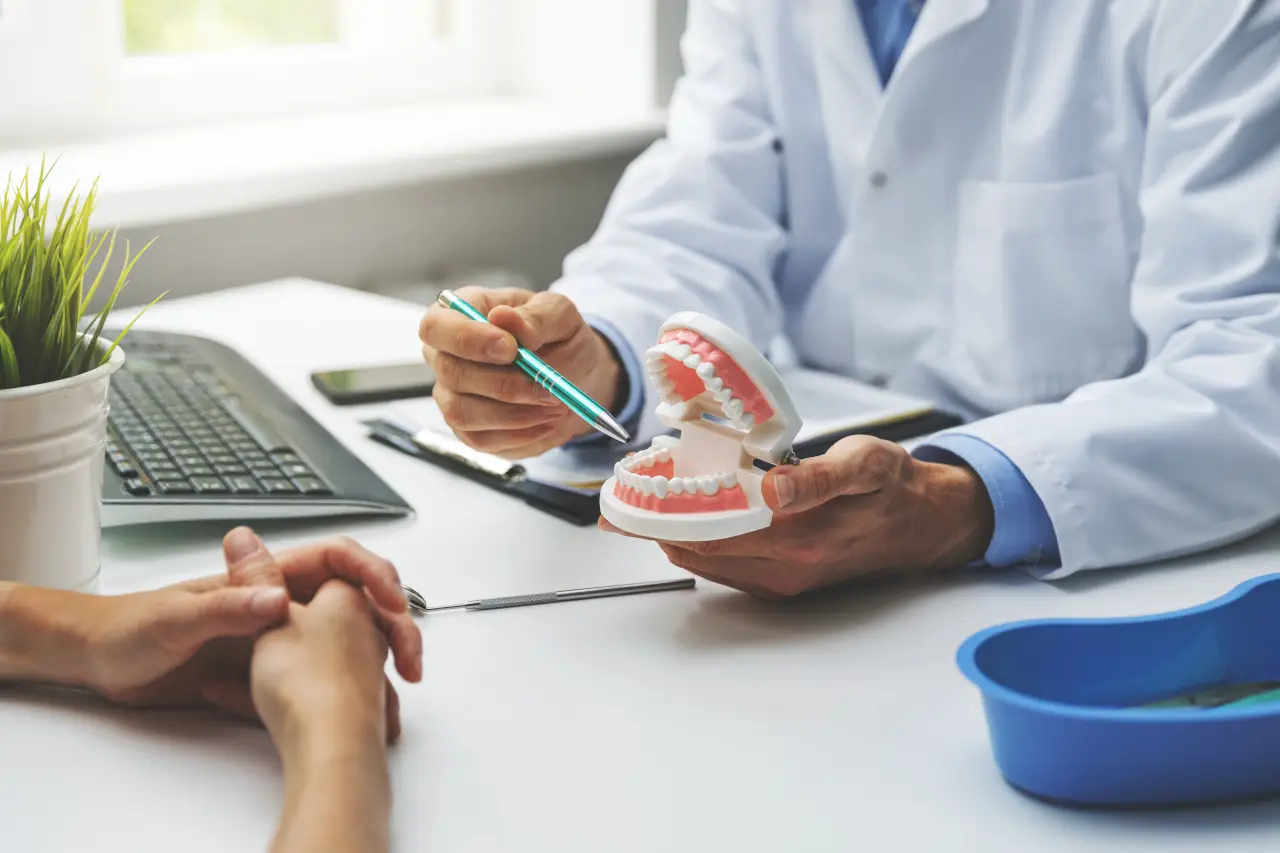
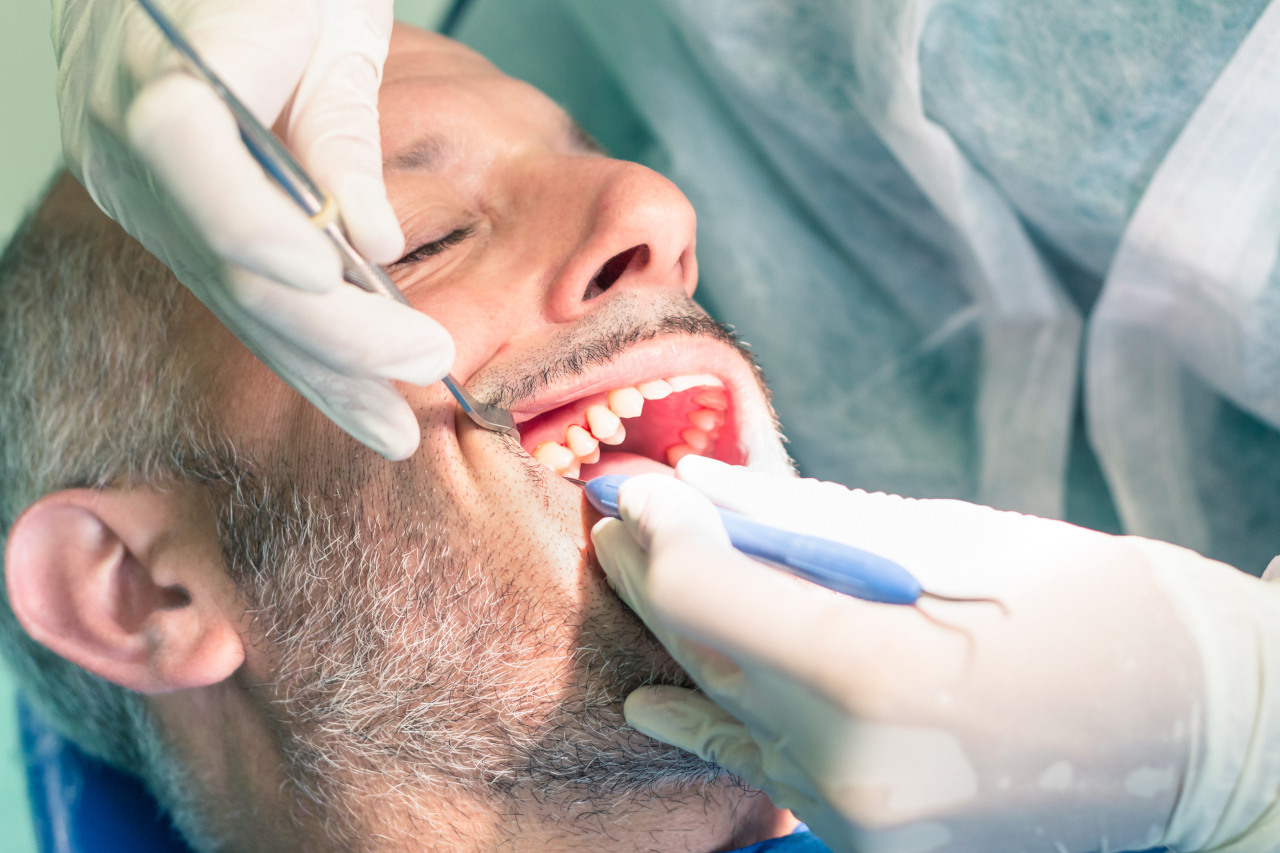
The process begins with an examination and records of your teeth and bite. Digital planning can then help map the intended movements.
Your treatment plan is individualized because tooth position, bite relationships, crowding, spacing, and cosmetic goals differ from person to person.
Is Invisalign Only for Cosmetic Changes?
No. Straighter teeth can certainly improve the appearance of a smile, but orthodontic planning also considers function.
The way upper and lower teeth meet can influence how chewing forces are distributed. Crowded or poorly positioned teeth can also create areas that are more difficult to brush and floss effectively.
Therefore, Invisalign planning should look at both the smile and the bite.
A visually straight result is not the only goal. The teeth should also finish in positions intended to support comfortable, stable function.
What Types of Problems Can Invisalign Address?
Clear aligners can be considered for many orthodontic concerns, although not every case is equally suitable.
Depending on the individual situation, Invisalign may help address:
- Crowded teeth
- Spaces between teeth
- Minor tooth rotations
- Teeth that have shifted after previous orthodontics
- Selected bite concerns
- Uneven tooth positioning
- Alignment issues affecting smile symmetry
More complex orthodontic problems may require additional techniques or a different treatment approach.
This is why an Invisalign consultation is important. The dentist needs to evaluate what actually needs to move before estimating whether clear aligners are an appropriate option.
Why Do Adults Choose Invisalign?
Adults often appreciate that clear aligners are less visually noticeable than conventional metal brackets and wires.
The aligners can also be removed for eating, brushing, and flossing. That flexibility can make daily hygiene more familiar than cleaning around fixed orthodontic appliances.
However, removability comes with responsibility. The aligners only work when they are worn consistently.
Patients who repeatedly leave trays out for extended periods may not achieve the planned movement on schedule.
How Many Hours a Day Do You Wear Invisalign?
Invisalign aligners are generally intended to be worn for most of the day and night, with removal mainly for eating, drinking certain beverages, brushing, and flossing.
Your dentist will provide specific wear instructions based on your treatment plan.
Consistency is extremely important because tooth movement depends on the aligner maintaining contact and pressure for the intended amount of time.
If you frequently forget to replace the trays after meals or leave them out for social occasions, treatment can become less predictable.
Before starting Invisalign, it is worth asking yourself whether you are comfortable building aligner wear into your daily routine.
Can You Eat Normally With Invisalign?
One advantage of removable aligners is that you generally take them out when eating.
This means there are fewer food restrictions than with fixed braces, where hard or sticky foods can damage brackets and wires.
However, you still need to protect your teeth during treatment. Frequent sugary snacks and beverages can increase cavity risk, particularly if aligners are placed back over teeth that have not been cleaned appropriately.
Remove aligners as directed, eat your meal, clean your teeth when appropriate, and replace the trays according to your treatment instructions.
What Can You Drink While Wearing Clear Aligners?
Plain water is typically the simplest beverage choice while aligners are in place.
Hot beverages can affect some plastic materials, while colored and sugary drinks can become trapped between the aligner and tooth surface.
Coffee, tea, soda, sports drinks, and similar beverages may contribute to staining or prolonged exposure to sugar and acid.
Your dental team can provide specific instructions about when aligners should be removed for beverages and how to clean them afterward.
Does Invisalign Hurt?
Invisalign should not be described as completely sensation-free. Moving teeth requires pressure, so patients may notice tightness or tenderness when they begin a new aligner.
This sensation often reflects the tray applying force to the teeth it is designed to move.
For many patients, discomfort is temporary and becomes easier to manage as they adjust to treatment.
If you develop sharp pain, an aligner does not seem to fit, or discomfort feels unusual or persistent, contact the dental office rather than trying to force the tray into place.
What Are Invisalign Attachments?
Some treatment plans use small tooth-colored attachments placed on selected teeth.
These attachments give the aligner additional surfaces to engage, which can help produce certain movements more effectively.
Because they are matched to the teeth, attachments are generally less noticeable than traditional metal brackets, although they can still be visible at close range.
Not every patient needs the same number or placement of attachments. Their design depends on the movements included in the treatment plan.
Benefits of Invisalign for Adults
- Discreet appearance: Clear aligners are designed to be less noticeable than conventional metal braces.
- Removable trays: Aligners can be removed for meals and oral hygiene according to treatment instructions.
- Familiar brushing and flossing: Patients can clean their teeth without working around permanently attached wires and brackets.
- Digital treatment planning: Tooth movement can be mapped before treatment begins.
- Customized orthodontic care: Each aligner sequence is planned around the patient’s individual tooth positions and bite.
- Fewer food limitations: Because trays are removed for meals, patients are not dealing with the same food restrictions associated with fixed brackets.
- Adult-friendly treatment: Clear aligners can fit more discreetly into work, family, travel, and social routines.
How Long Does Invisalign Treatment Take?
Treatment time varies because every orthodontic case is different.
A patient correcting small amounts of relapse after previous braces may have a different timeline from someone with significant crowding or bite changes.
The complexity of the movements matters, but patient cooperation matters too. Wearing trays consistently and changing them according to instructions can help treatment progress as planned.
Your dentist can provide a more meaningful estimate after examining your teeth and planning the movements needed.
Can Invisalign Work if You Had Braces Before?
Yes, adults who previously had braces can sometimes use clear aligners to address teeth that have shifted.
Orthodontic relapse can happen when retainers are not worn as recommended or when teeth naturally change position over time.
The amount of movement needed determines how involved retreatment may be.
Some patients have relatively minor crowding or spacing, while others require broader bite correction.
If your teeth have shifted, bring any old retainers or information about previous orthodontic treatment if you still have them.
Are You Too Old for Invisalign?
There is no simple age at which someone becomes too old to consider orthodontic treatment.
More important factors include the health of the teeth, gums, supporting bone, and bite.
Adults may have crowns, fillings, implants, gum recession, or previous dental work that needs to be incorporated into orthodontic planning.
Active gum disease or untreated decay may need attention before tooth movement begins.
A comprehensive examination helps determine whether the mouth is healthy enough for orthodontic treatment and whether any restorative work should happen before or after alignment.
Can Invisalign Help Before Cosmetic Dentistry?
Sometimes orthodontic treatment can create a better foundation for cosmetic dental work.
For example, moving a tilted or crowded tooth into a better position may reduce how much restorative material is needed to improve its appearance later.
Aligning teeth can also help distribute spaces more evenly before veneers, bonding, or other cosmetic treatment.
Wilson Dentistry offers cosmetic dentistry in Katy, so alignment can be considered within the context of a broader smile plan when appropriate.
How Do You Keep Invisalign Aligners Clean?
Aligners spend many hours in contact with your teeth, so keeping both the trays and your mouth clean is important.
Follow the cleaning instructions provided by your dental team. Avoid using products that could scratch, cloud, or distort the aligner material.
Brush and floss before replacing trays when appropriate, particularly after meals.
Do not allow aligners to remain loose in pockets, napkins, or restaurant trays. Use the provided case when they are out of your mouth.
Many aligners are accidentally thrown away because they were wrapped in a napkin during a meal.
What Happens if You Lose an Aligner?
Contact the dental office for instructions rather than automatically moving forward or backward in the sequence yourself.
The appropriate response can depend on how long you wore the lost tray, how the teeth are tracking, and when you were supposed to switch to the next aligner.
Your dentist may recommend using another tray temporarily or may provide a different plan.
Following individualized instructions helps keep treatment from drifting away from the planned tooth movements.
Why Are Retainers Important After Invisalign?
Finishing the active aligner sequence does not mean your teeth are permanently locked into their new positions.
Teeth have a natural tendency to shift. Retainers help maintain alignment after active orthodontic treatment ends.
Your dentist will provide instructions about how and when to wear retainers.
Long-term retention is an important part of protecting the time and effort you invested in Invisalign.
How Do You Know if Invisalign Is Right for You?
Good candidates are generally willing to wear aligners consistently, keep them clean, maintain oral hygiene, and attend monitoring appointments.
Your teeth and gums should also be healthy enough for orthodontic movement.
An examination can identify whether crowding, spacing, or bite concerns are suitable for Invisalign and whether another approach may provide a more predictable result.
The best treatment is not simply the least visible one. It is the orthodontic approach capable of accomplishing your goals while supporting stable function.
Explore Invisalign in Katy, TX
Clear aligners can provide adults with a discreet way to improve tooth alignment, but the trays are only one part of treatment. Thoughtful planning, consistent wear, healthy teeth and gums, and long-term retainer use all contribute to a stable result.
If you are considering Invisalign, contact Wilson Dentistry at (281) 693-6427. Wilson Dentistry is located at 620 S. Peek Rd., Katy, TX 77450. Request an appointment to Schedule a Consultation and learn whether clear aligners may fit your smile and bite goals.
Frequently Asked Questions About Invisalign for Adults
Can adults get Invisalign?
Yes. Many adults can be candidates for Invisalign when their teeth, gums, supporting bone, and orthodontic needs are appropriate for clear aligner treatment.
Do you take Invisalign out to eat?
Clear aligners are generally removed for meals. Patients should follow their dentist’s specific instructions regarding eating, drinking, cleaning, and aligner wear.
Do you need retainers after Invisalign?
Yes. Retention is an important part of maintaining orthodontic results because teeth can shift after active treatment has ended.