When a tooth is damaged by decay, a fracture, or an aging restoration, the solution is not always obvious. Some teeth can be repaired with a filling, while others need greater protection from a dental crown. The right choice depends largely on how much healthy tooth structure remains and how much pressure the tooth must handle.
Wilson Dentistry provides restorative dentistry in Katy, TX for patients with cavities, broken teeth, weakened teeth, and other concerns affecting everyday function. Understanding the difference between fillings and crowns can help you make sense of your treatment options when a tooth needs repair.
What Is a Dental Filling?
A filling repairs an area where a tooth has lost a relatively limited amount of structure.
The damaged or decayed portion of the tooth is removed, and restorative material is placed in the resulting space. The filling is shaped so the tooth can function properly within the bite.
Fillings are commonly associated with cavities, but they can also be used in selected situations involving minor chips or replacement of an older restoration.
The important factor is whether enough strong natural tooth remains around the damaged area to support the filling during everyday chewing.
What Is a Dental Crown?
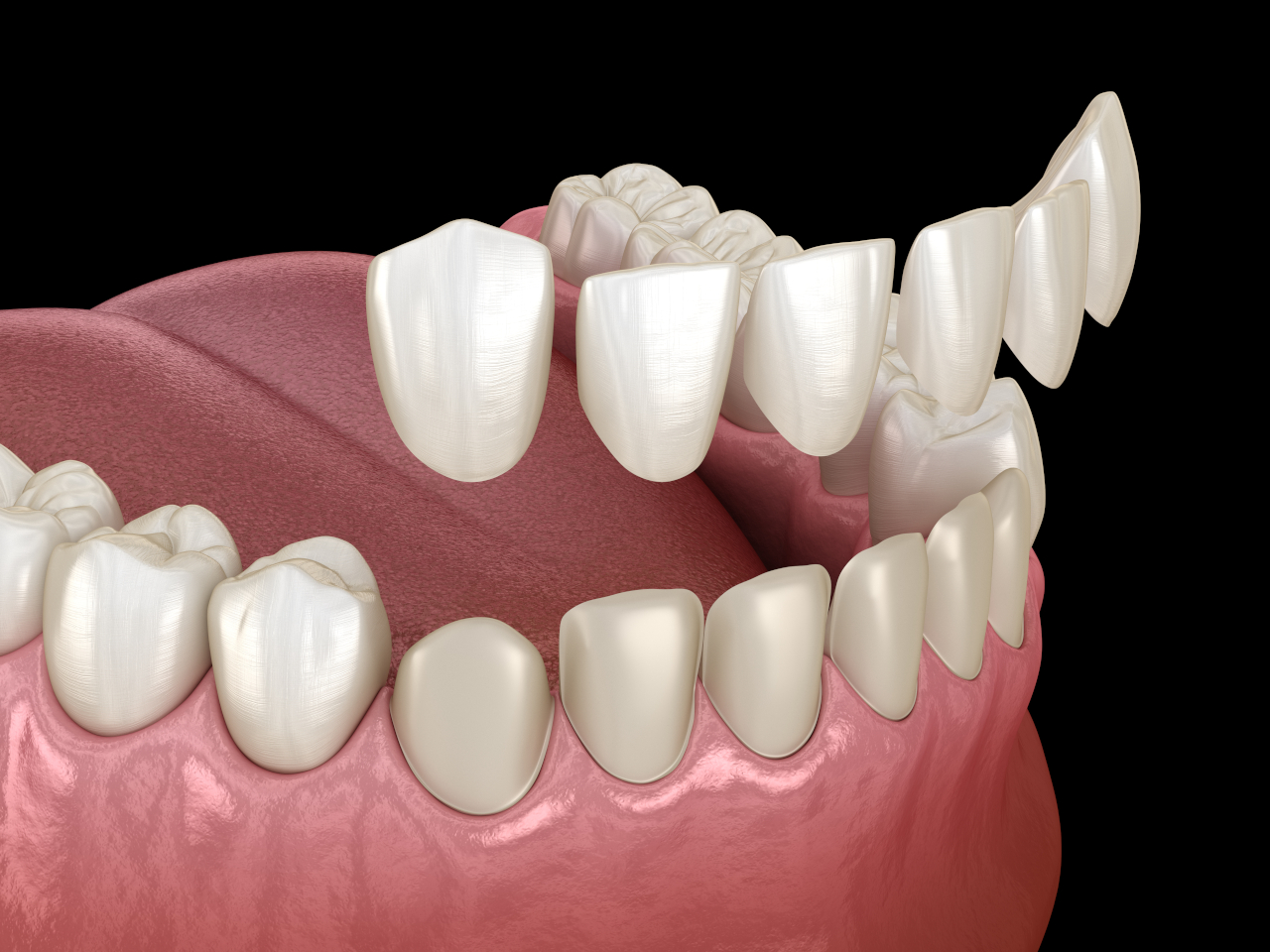
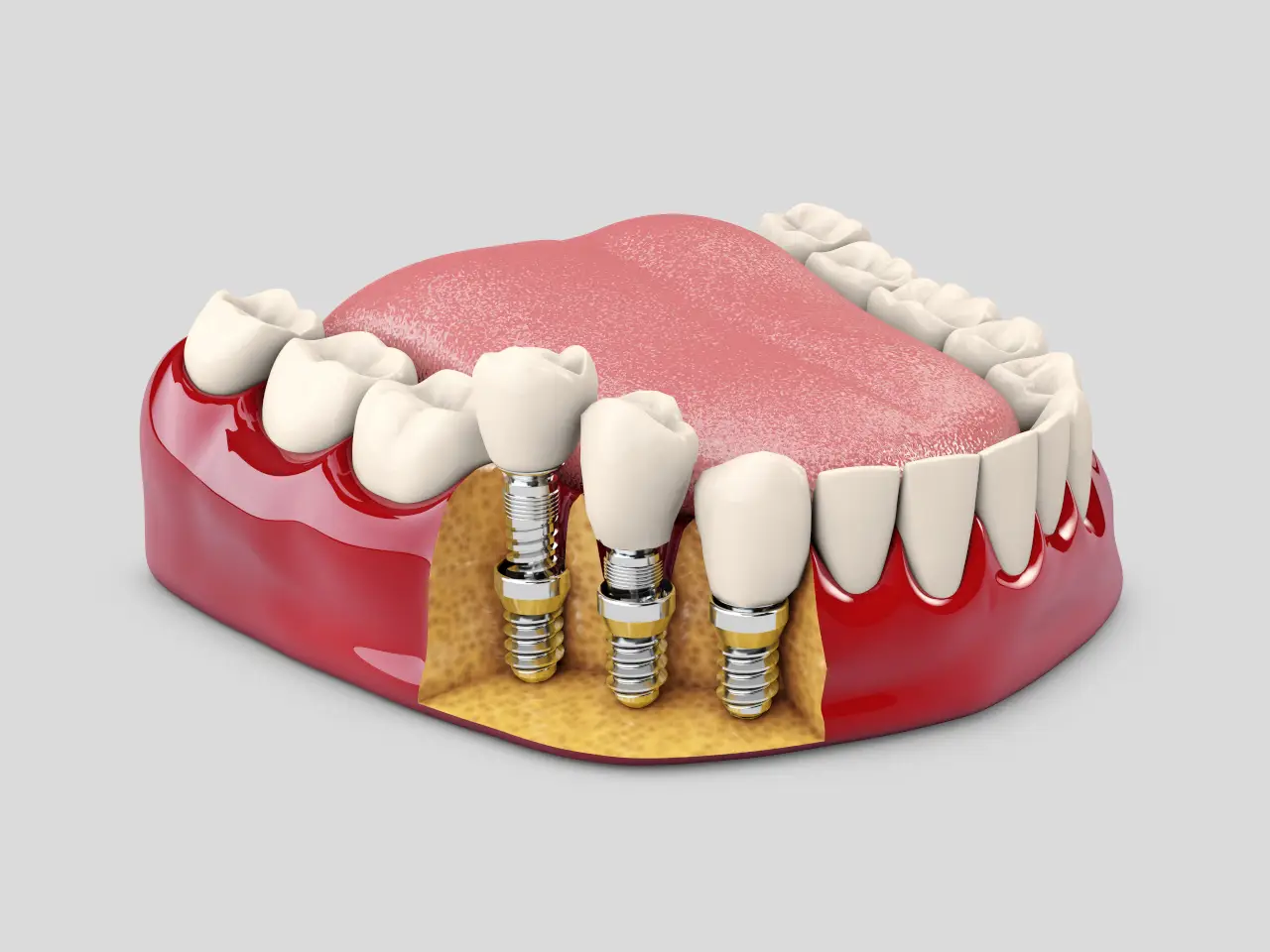
A crown is a restoration that covers substantially more of the visible tooth.
Crowns are often considered when a tooth has been weakened beyond what a filling can predictably reinforce. The crown helps hold the remaining tooth structure together while restoring the tooth’s shape and chewing surface.
Crowns can be made from different dental materials, including tooth-colored options designed to blend with the surrounding smile.
The decision to recommend a crown generally involves both the amount of damage and the forces the tooth will experience after restoration.
When Is a Filling Usually Enough?
A filling may be appropriate when decay or damage affects a limited portion of the tooth and enough healthy enamel and dentin remain to provide structural support.
For example, a small to moderate cavity may often be restored with a filling after the decayed tooth structure has been removed.
Location matters as well. Teeth farther back in the mouth experience substantial chewing pressure. A restoration must be strong enough to withstand those forces without causing the remaining tooth to fracture.
Your dentist evaluates the size and position of the damaged area rather than choosing treatment based only on whether the tooth currently hurts.
When Might a Dental Crown Be Recommended?
A crown may be considered when a tooth has lost a larger amount of natural structure or has become significantly weakened.
Common reasons include:
- A very large cavity
- A tooth with a large existing filling
- A substantial fracture
- Cracks that weaken the tooth
- A tooth that has undergone certain types of previous treatment
- Significant wear
- A tooth needing both structural and cosmetic restoration
A crown can distribute chewing pressure across a larger portion of the remaining tooth, which may help protect weakened areas from additional fracture.
Why Not Use a Filling for Every Cavity?
Patients often prefer the idea of a filling because it sounds simpler. However, a larger filling is not always a stronger or more conservative choice in the long term.
Imagine a tooth where most of the center has already been replaced by restorative material. The remaining natural walls may become thin and vulnerable to cracking under chewing pressure.
Adding more filling material does not necessarily make those walls stronger.
If the tooth is significantly compromised, a crown may provide more predictable protection by covering and reinforcing the remaining structure.
The goal is not to choose the smallest restoration at all costs. The goal is to preserve as much healthy tooth as possible while selecting a restoration strong enough for the condition of the tooth.
Can an Old Filling Eventually Need a Crown?
Yes. Teeth and restorations both change over time.
An older filling may wear, crack, loosen, or develop decay around its edges. In addition, the natural tooth surrounding a large filling can fracture.
If the existing restoration is relatively small and the remaining tooth is healthy, replacing it with another filling may be possible.
However, if repeated repairs have left limited healthy structure, a crown may eventually provide a better restorative option.
This is why monitoring older dental work during routine examinations is important, even when the tooth does not hurt.
Does a Cracked Tooth Need a Crown?
Some cracked teeth can benefit from crown treatment, but not every crack is the same.
A small superficial enamel line may require no restorative treatment. A deeper crack involving a weakened section of tooth may need greater protection.
If a crack extends far below the gumline or through the root, the tooth may have a different prognosis and could require additional treatment.
Symptoms such as sharp pain when biting or discomfort when releasing pressure can sometimes be associated with cracks, although an examination is needed to determine the actual cause.
Your dentist may use the clinical examination, bite testing, dental imaging, and other information to evaluate whether the tooth can be restored predictably.
Can a Crown Help a Tooth That Keeps Breaking?
When the same tooth repeatedly loses pieces of filling or natural structure, simply repairing the small broken section may not always address the larger problem.
The tooth may have become structurally weak, or bite forces may be concentrated in that area.
A crown may sometimes provide broader protection by covering the vulnerable tooth structure.
However, the dentist should also consider why the tooth keeps breaking. Grinding, clenching, an uneven bite, or very hard chewing habits may need attention so the new restoration is not exposed to the same destructive forces.
Benefits of Dental Crowns
- Protection for weakened teeth: A crown covers and supports tooth structure that may no longer be strong enough for a smaller restoration.
- Restored chewing surface: The crown can recreate the shape needed for comfortable biting and chewing.
- Structural reinforcement: Covering vulnerable tooth walls may reduce the likelihood of certain fractures progressing.
- Restoration of damaged teeth: Crowns can rebuild teeth affected by large cavities, fractures, wear, or extensive existing dental work.
- Natural-looking options: Tooth-colored crown materials can be selected to coordinate with surrounding teeth.
- Versatile restorative treatment: Crowns can address both functional and cosmetic concerns when substantial tooth restoration is required.
Benefits of Dental Fillings
- Conservative repair: Fillings can restore smaller areas of damage while preserving surrounding healthy tooth structure.
- Effective cavity treatment: A filling can replace tooth structure lost to a small or moderate area of decay.
- Efficient treatment: Many fillings can be completed without the same multi-stage process associated with more extensive restorations.
- Natural-looking materials: Tooth-colored restorative materials can blend with surrounding enamel.
- Useful for localized damage: Fillings work well when the remaining tooth has enough strength to support the restoration.
How Does a Dentist Decide Between a Filling and Crown?
The decision begins with the amount and location of healthy tooth structure.
Your dentist considers how much decay or damage must be removed, how thick the remaining tooth walls will be, whether cracks are present, and how much pressure the tooth experiences during chewing.
Your history also matters. A tooth that has been repaired several times may need a different strategy from a tooth receiving its first small filling.
The condition of neighboring teeth, your bite, grinding habits, and the location of the tooth can also influence the recommendation.
Dental imaging may provide additional information about decay, previous restorations, the tooth root, and surrounding bone.
Does Getting a Crown Mean the Tooth Is in Very Bad Shape?
Not necessarily.
A crown is often recommended to prevent a weakened tooth from becoming more severely damaged. In other words, treatment can be protective rather than a sign that the tooth is already beyond repair.
For example, replacing an extremely large filling with another large filling may leave thin tooth walls vulnerable to fracture. A crown can provide greater coverage before a major break occurs.
Getting the appropriate restoration at the right time can sometimes help preserve a natural tooth that might otherwise continue weakening.
Do Crowns and Fillings Last Forever?
No. All dental restorations experience years of chewing, temperature changes, bacterial exposure, and daily cleaning.
A filling or crown may eventually wear, chip, loosen, fracture, or develop problems around its edges.
How long a restoration lasts depends on its size, location, material, bite forces, oral hygiene, diet, grinding habits, and many other individual factors.
Regular dental examinations help identify changes before a restoration fails completely.
How Do You Care for a Crown or Filling?
Restored teeth still need the same daily care as untreated natural teeth.
Brush thoroughly twice a day and clean between your teeth daily. Plaque can accumulate around the edges of fillings and crowns, and the remaining natural tooth can still develop decay.
Avoid using restored teeth to open packages or chew non-food objects. Be cautious with ice and extremely hard foods, particularly if you already have a history of broken teeth.
If you grind or clench, discuss it with your dentist. A protective appliance may be appropriate for some patients.
What Signs Mean an Existing Restoration Should Be Checked?
Contact your dentist if you notice a change in an existing filling or crown.
Possible warning signs include:
- Pain when biting
- New sensitivity to hot or cold
- A rough or sharp edge
- Movement in a crown
- A visible crack
- Food repeatedly catching around a restoration
- A piece of filling or tooth breaking away
- Swelling or recurring discomfort nearby
Sometimes failing restorations produce no symptoms at first. Routine dental examinations remain important even when everything feels normal.
What Happens if You Delay Repairing a Damaged Tooth?
A cavity or fracture generally does not rebuild itself once significant tooth structure has been lost.
Continuing to chew on a weakened tooth can allow a crack or fracture to become more extensive. Likewise, decay can continue progressing into deeper layers.
A tooth that might initially need a filling could eventually require a larger restoration if more structure becomes damaged.
There are situations where waiting and monitoring is appropriate, but that decision should be based on a dental examination rather than simply waiting for pain.
Restorative Dentistry in Katy, TX
The question is not whether crowns are better than fillings or fillings are better than crowns. Each restoration has a different purpose. A filling can be an excellent conservative solution for localized damage, while a crown may provide the protection a substantially weakened tooth needs.
If you have a cavity, cracked tooth, aging filling, or damaged restoration, contact Wilson Dentistry at (281) 693-6427. Wilson Dentistry is located at 620 S. Peek Rd., Katy, TX 77450. Request an appointment to Book an Appointment and learn which restorative option may be appropriate for your tooth.
Frequently Asked Questions About Dental Crowns and Fillings
Is a crown stronger than a filling?
A crown covers substantially more of the tooth and is often used when greater structural support is needed. A filling may be more appropriate when damage is smaller and enough strong natural tooth remains.
Can a large filling be replaced with another filling?
Sometimes, but the dentist needs to evaluate the amount and strength of the remaining tooth structure. If the tooth has become significantly weakened, a crown may be recommended instead.
Can a tooth with a crown still get a cavity?
Yes. A crown itself does not develop decay, but the natural tooth structure around its edges can still develop cavities. Good oral hygiene and routine dental care remain important.