When you are considering cosmetic dentistry, the goal does not have to be creating a completely different smile. Often, patients simply want greater harmony between the shape, color, spacing, and proportions of their teeth. Porcelain veneers are one cosmetic option that can make several changes at the same time while still being designed around your natural facial features.
Wilson Dentistry provides porcelain veneers in Katy, TX as part of personalized cosmetic dental care. Veneers can address several appearance concerns, but treatment should begin with a careful evaluation of the teeth, gums, bite, and your individual goals. Understanding what veneers can and cannot do makes it easier to decide whether they belong in your smile plan.
What Are Porcelain Veneers?
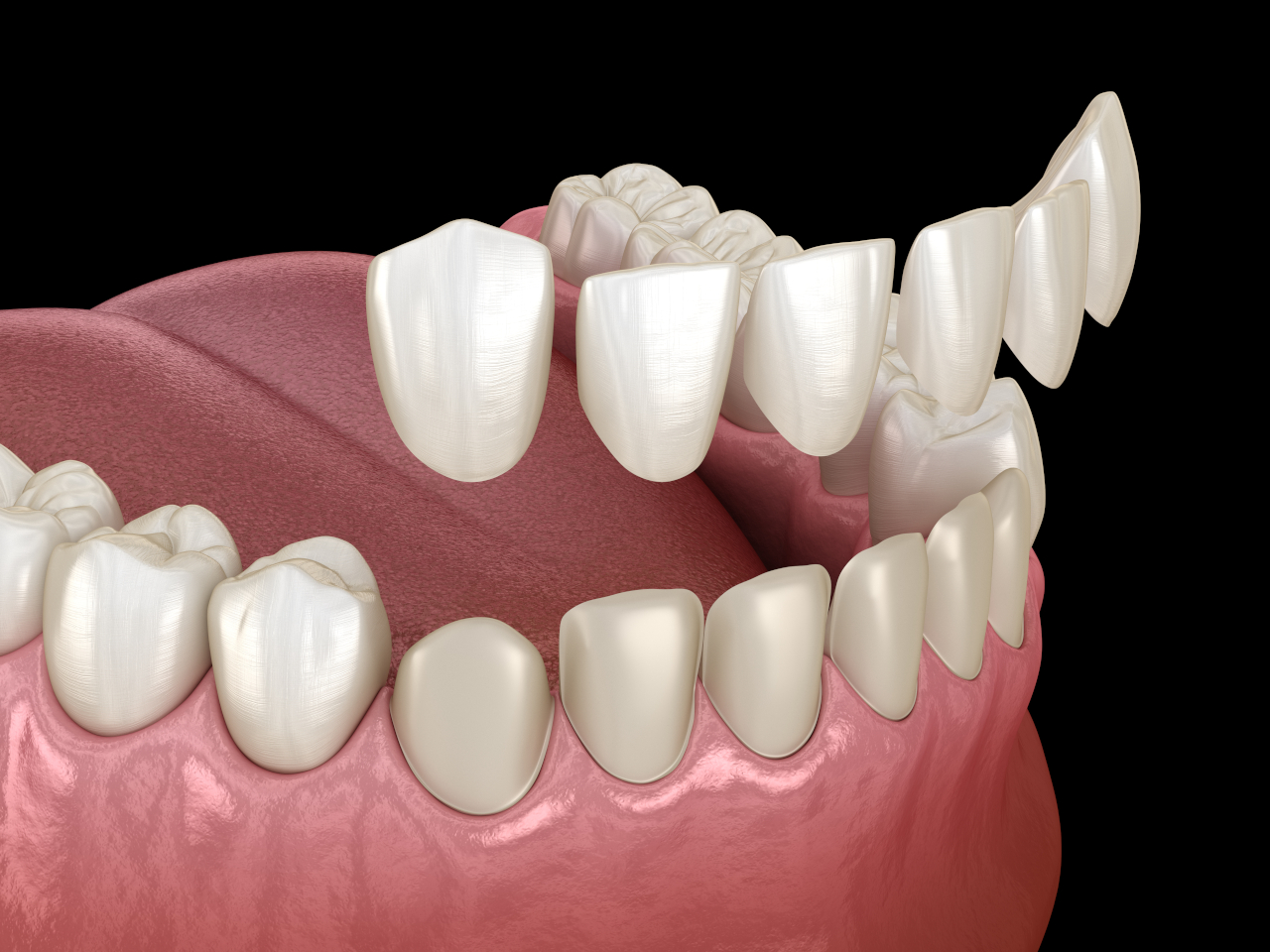
Porcelain veneers are thin restorations that cover the visible front surfaces of selected teeth. Each veneer is individually designed so its shape and appearance coordinate with the surrounding smile.
Rather than covering the entire tooth like a dental crown, a veneer is primarily intended to improve the visible surface of a tooth. This makes veneers particularly useful for cosmetic changes involving front teeth.
The design process can consider tooth length, width, shade, symmetry, spacing, and how the teeth relate to the lips and face.
However, a successful veneer case should not be based only on appearance. Your dentist also needs to evaluate whether the underlying teeth and gums are healthy enough for cosmetic treatment and whether the bite will place appropriate forces on the restorations.
What Cosmetic Concerns Can Porcelain Veneers Address?
Veneers are versatile because they can address several concerns within one treatment plan.
Depending on the condition of the teeth, porcelain veneers may be considered for:
- Persistent discoloration
- Differences in tooth shape
- Minor chips
- Worn tooth edges
- Small spaces between certain teeth
- Teeth that appear uneven in length
- Minor visual irregularities
- Changes in smile symmetry
Not every concern should be treated with veneers. For example, significant tooth misalignment may be better addressed with orthodontic treatment. A severely damaged tooth may need a crown rather than a cosmetic veneer.
A cosmetic consultation helps determine which treatment creates the most appropriate result while preserving healthy tooth structure whenever possible.
Can Veneers Make Teeth Look Whiter?
Yes. Porcelain veneers can be designed in a lighter shade, which is one reason they are sometimes considered for discoloration that does not respond predictably to whitening.
However, choosing a veneer shade is more nuanced than selecting the brightest white available.
Natural teeth contain subtle differences in translucency and tone. A shade that is too opaque or too bright for your features can look less natural than one chosen to coordinate with your complexion, neighboring teeth, and overall smile.
Your cosmetic dentist can discuss the amount of shade change you want and whether whitening the natural teeth before veneer treatment could help create a more balanced result.
Can Veneers Close Gaps Between Teeth?
Veneers may be able to visually close certain small spaces by changing the width or contour of the neighboring teeth.
However, spacing needs to be evaluated carefully. Simply making teeth wider is not always the most attractive or healthy solution.
The size of the gap, tooth proportions, bite, and alignment all influence whether veneers are appropriate. Larger spaces or multiple alignment concerns may be better treated with orthodontics.
Wilson Dentistry also provides cosmetic dentistry in Katy, which allows treatment planning to consider different cosmetic options rather than assuming that every smile concern needs the same procedure.
Can Veneers Fix Crooked Teeth?
Veneers can sometimes improve the appearance of teeth with very minor visual irregularities, but they do not physically move the roots of the teeth.
If teeth are significantly rotated, crowded, or positioned outside an ideal bite relationship, orthodontic treatment may provide a healthier foundation.
In some smile plans, aligning the teeth first can actually reduce how much restorative treatment is needed later.
This is why a comprehensive cosmetic evaluation matters. The goal is to choose the most conservative treatment capable of accomplishing your goals, not simply to cover every tooth with porcelain.
Can Porcelain Veneers Repair Chipped Teeth?
Veneers can be an option for certain chipped or worn front teeth, particularly when cosmetic changes to shape, size, or color are also desired.
However, the extent of damage matters. A small chip may be repairable with dental bonding. A tooth with extensive structural damage may require a crown or another restorative solution.
The cause of the chip is also important. If a tooth broke because of grinding or an uneven bite, the underlying forces should be considered before placing a cosmetic restoration.
Otherwise, the same pressure that damaged the natural tooth could affect the veneer over time.
How Much Tooth Preparation Is Needed for Veneers?
The amount of tooth preparation varies based on the position of the teeth, the desired cosmetic changes, and the type of veneer being planned.
In many cases, a small amount of enamel may need to be shaped so the final veneer has room to fit naturally without making the tooth look bulky.
Because enamel removal cannot simply be reversed, veneer treatment should be planned thoughtfully.
This is one reason cosmetic dentistry works best when patients understand their alternatives before beginning treatment. Whitening, bonding, orthodontics, or a combination of treatments may sometimes accomplish a goal with less alteration to natural tooth structure.
Benefits of Porcelain Veneers
- Multiple cosmetic changes at once: Veneers can modify tooth color, shape, length, proportion, and selected spacing concerns within one treatment plan.
- Natural-looking appearance: Porcelain can be designed with translucency and contours intended to coordinate with natural teeth.
- Customized design: Each restoration can be planned around the individual tooth, neighboring teeth, lips, and facial features.
- Stain resistance: Porcelain is generally more resistant to external staining than natural tooth enamel or composite bonding.
- Improved symmetry: Veneers can help create more consistent proportions between selected front teeth.
- Durable cosmetic restoration: When properly planned and maintained, porcelain veneers can provide years of service.
- Conservative compared with full coverage: In appropriate cases, veneers can achieve cosmetic changes without requiring the same amount of tooth coverage as a dental crown.
How Long Do Porcelain Veneers Last?
There is no single expiration date for veneers. Their lifespan depends on the quality of the underlying tooth, the bite, oral hygiene, habits, and how much force the veneers experience.
Many veneers can provide years of service when they are properly planned and cared for. However, they are dental restorations and may eventually need repair or replacement.
Grinding, clenching, biting hard objects, chewing ice, and using teeth as tools can increase the risk of chips or fractures.
Regular dental examinations allow the dentist to monitor the edges of veneers, the surrounding gum tissue, the bite, and the health of the teeth underneath.
Can Porcelain Veneers Stain?
Porcelain itself is relatively resistant to staining. However, that does not mean a smile with veneers is completely unaffected by changes over time.
Natural teeth around the veneers can still change color. In addition, staining or plaque can accumulate near restoration margins if oral hygiene is inadequate.
Tea, coffee, red wine, tobacco, and other highly pigmented substances can influence the overall appearance of a smile even when porcelain remains relatively stable.
Maintaining good hygiene and attending professional cleanings helps keep both veneers and natural teeth looking their best.
Do Veneers Require Special Cleaning?
You generally care for veneers using the same basic principles used to care for natural teeth.
Brush thoroughly with an appropriate toothbrush and toothpaste. Clean between the teeth every day using floss or another method recommended by your dental team.
Pay particular attention to the gumline because healthy gum tissue contributes greatly to how natural cosmetic dentistry looks.
Professional cleanings and examinations are also important. Your dental team can help you choose products that are appropriate for both natural teeth and restorations.
What Foods Should You Avoid With Veneers?
Most patients with veneers can enjoy a varied diet, but good judgment protects cosmetic restorations.
Avoid chewing ice, opening packages with your teeth, biting fingernails, or deliberately biting extremely hard non-food objects.
If you are eating something especially hard, cutting it into smaller pieces may reduce unnecessary pressure on front teeth.
The same habits that can fracture natural enamel can also damage porcelain. Treating veneers carefully does not mean they are fragile, it means avoiding forces teeth were never designed to handle.
What if You Grind Your Teeth?
Bruxism, which includes clenching and grinding, deserves special consideration before cosmetic treatment.
Repeated grinding can place substantial force on front teeth and restorations. Signs may include worn enamel, small fractures, morning jaw soreness, headaches, or a history of breaking dental work.
If your dentist identifies grinding, treatment planning may include addressing the bite or recommending a protective night appliance after the veneers are completed.
Protecting the restorations from excessive force can be an important part of maintaining them.
Are Veneers the Same as Dental Crowns?
No. Veneers and crowns serve different purposes.
A veneer primarily covers the visible front surface of a tooth and is commonly used for cosmetic enhancement. A dental crown surrounds substantially more of the tooth and is often recommended when a tooth needs additional structural protection.
A healthy tooth with a cosmetic concern may be considered for a veneer, while a tooth with extensive decay, a large fracture, or substantial existing restoration may need a crown instead.
Your dentist can explain which option better fits the condition of each tooth.
How Do You Know if Veneers Are Right for Your Smile?
Good veneer candidates generally have healthy teeth and gums, realistic expectations, and cosmetic concerns that can reasonably be corrected with porcelain restorations.
Your bite should also be evaluated. If significant grinding, severe misalignment, active decay, or gum disease is present, these concerns may need to be addressed first.
It can also help to think specifically about what you want to change. Rather than simply saying you want a better smile, identify whether color, tooth length, spacing, shape, or symmetry is your main concern.
This gives your cosmetic dentist a clearer starting point for designing a treatment plan that still feels like your smile.
Explore Porcelain Veneers in Katy, TX
Porcelain veneers can make meaningful cosmetic changes, but the most natural results come from careful planning rather than trying to make every tooth identical. The goal should be a smile that complements your features while protecting the health and function of your teeth.
If you are interested in porcelain veneers, contact Wilson Dentistry at (281) 693-6427. Wilson Dentistry is located at 620 S. Peek Rd., Katy, TX 77450. Request an appointment to Schedule a Consultation and explore which cosmetic treatments may fit your smile goals.
Frequently Asked Questions About Porcelain Veneers
Do porcelain veneers look like natural teeth?
Porcelain veneers can be designed to coordinate with natural teeth in shade, translucency, shape, and proportion. Careful planning is important for creating a balanced result.
Can veneers close gaps?
Veneers may be able to close certain small spaces by changing tooth proportions. Larger spacing or alignment concerns may be better treated with orthodontic care.
Do porcelain veneers last forever?
No dental restoration lasts forever. Veneer longevity depends on oral hygiene, bite forces, grinding habits, maintenance, and other individual factors.