Losing a tooth can change more than the way your smile looks. A missing tooth can affect chewing, the way neighboring teeth function, and how comfortable you feel during everyday activities. Fortunately, modern tooth replacement options can restore both function and confidence. For many adults, dental implants are one option worth exploring.
Wilson Dentistry provides dental implants in Katy, TX for patients who want to replace missing teeth with a restoration designed around long-term function. However, dental implants are not a one-size-fits-all treatment. Your gum health, bone support, medical history, bite, and individual goals all play a role in determining whether implant treatment may be appropriate.
What Exactly Is a Dental Implant?
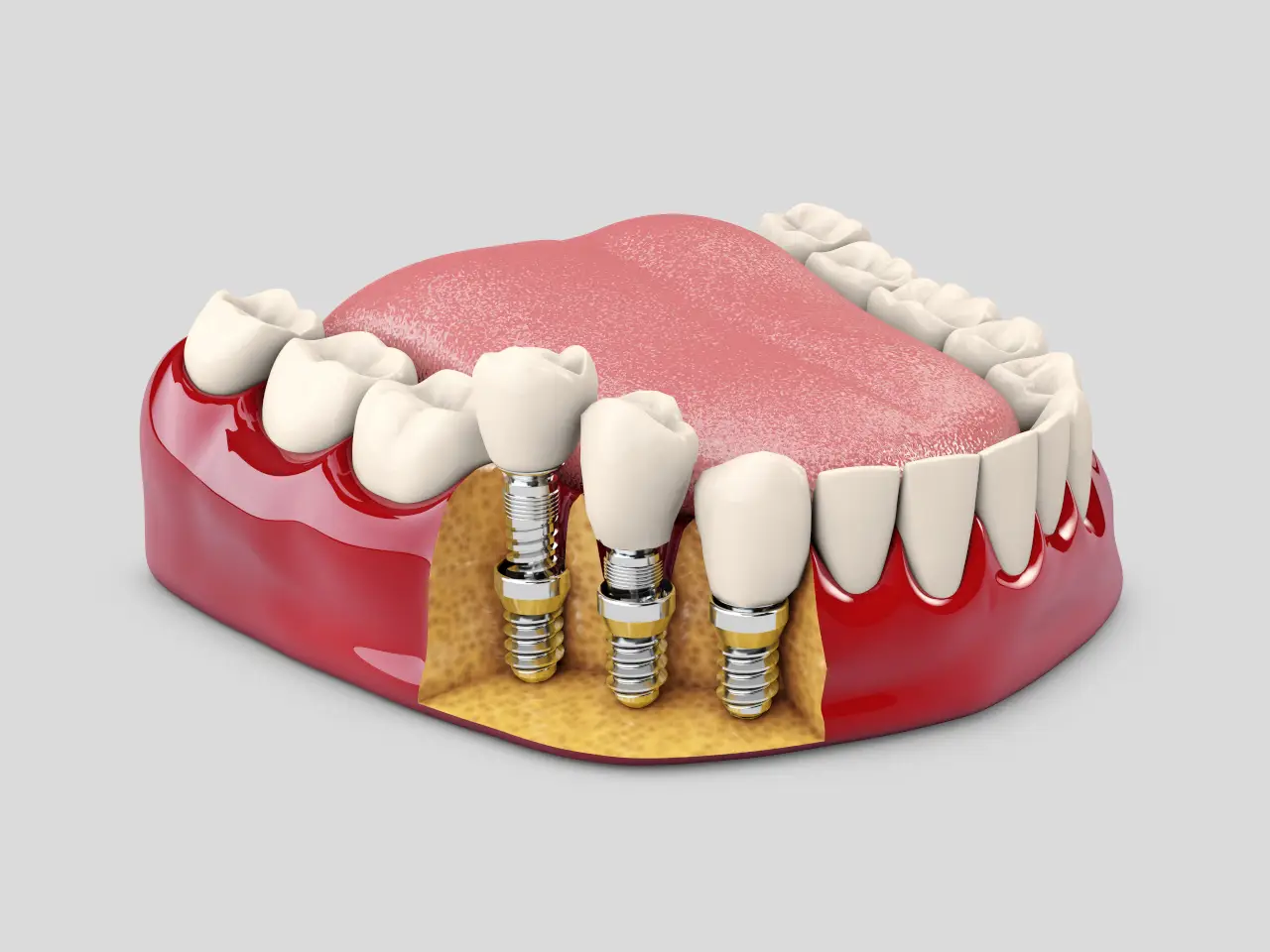
A dental implant is designed to replace the root portion of a missing tooth. The implant is placed in the jawbone, where it can provide a stable foundation for a replacement tooth.
After the implant has had time to integrate with the surrounding bone, a connector known as an abutment can be used to support the final restoration. Depending on the number of teeth being replaced, implants may support a single dental crown, a bridge, or certain types of dentures.
This approach is different from simply filling the visible space above the gums. Because the implant is supported within the jaw, treatment considers the foundation of the replacement tooth as well as its appearance.
Who May Be a Good Candidate for Dental Implants?
Many adults with one or more missing teeth can be considered for implant treatment. However, candidacy depends on several factors rather than age alone.
A good candidate generally needs healthy enough gums, adequate bone or the ability to improve bone support, reasonable overall health, and a willingness to maintain excellent oral hygiene.
Your dentist will also consider your bite and how much pressure will be placed on the implant after treatment. Because implant dentistry is intended to provide a long-term restoration, careful planning is an important part of the process.
Does Your Jaw Have Enough Bone for an Implant?
Dental implants rely on the jawbone for support. Therefore, one of the first considerations is whether enough healthy bone is available in the area where the tooth is missing.
Bone volume can change after tooth loss. When a natural tooth is present, chewing forces are transferred through its root into the surrounding bone. Once the tooth is gone, the area no longer receives the same stimulation.
However, having some degree of bone loss does not automatically mean that dental implants are impossible. In certain situations, bone grafting or another preparatory procedure may be considered to improve the foundation available for implant placement.
Imaging and a clinical examination can help your dentist evaluate the width, height, and quality of the bone and determine whether additional treatment should be discussed.
Why Gum Health Matters Before Dental Implant Treatment
Healthy gums are another important part of implant planning. Although an implant cannot develop a cavity, the tissues surrounding it still need to remain healthy.
Active gum disease can create inflammation and affect the structures that support both natural teeth and dental implants. Therefore, existing periodontal concerns may need to be addressed before implant treatment moves forward.
If your gums bleed frequently, appear swollen, or have been treated for periodontal disease in the past, mention this during your consultation. Your dentist can evaluate your current gum health and determine whether periodontal treatment or additional maintenance would be beneficial.
Can You Get Dental Implants After a Tooth Extraction?
Dental implants are frequently considered after a tooth needs to be removed, but the timing can vary.
In some cases, implant placement may be considered relatively close to the time of extraction. In other situations, the area may need time to heal before the next stage of treatment.
Factors such as infection, bone condition, gum health, the location of the missing tooth, and the complexity of the extraction can influence the treatment timeline.
This is one reason implant planning is highly individualized. Two people who lose the same type of tooth may have very different treatment schedules based on their oral health.
Can You Get Dental Implants if You Have Been Missing Teeth for Years?
Yes, having an older missing tooth does not automatically prevent you from exploring dental implants.
However, your dentist will need to evaluate the space carefully. Over time, neighboring teeth can shift, opposing teeth can change position, and the jawbone in the area may lose volume.
These changes can affect how much space is available for a replacement tooth and whether additional treatment is needed before implant placement.
If you have been living with a missing tooth for years, do not assume you waited too long. An evaluation can show you what options are currently available.
How Does Your Overall Health Affect Dental Implant Candidacy?
Oral health and general health are connected when planning any surgical dental procedure. Your dentist will review your medical history, medications, previous surgeries, and other information that could affect healing.
Certain health conditions may require additional planning or coordination with your physician. The presence of a medical condition does not necessarily mean implant treatment is unavailable, but the dentist needs accurate information to evaluate your individual situation safely.
Always provide a complete list of prescription medications, over-the-counter medications, vitamins, and supplements. In addition, tell your dentist about any changes to your health since your previous appointment.
What About Smoking or Tobacco Use?
Tobacco use can interfere with oral healing and can increase the risk of problems affecting the tissues around dental implants.
If you smoke or use other tobacco products, be open about it during your implant consultation. The goal is not to make you feel judged. Instead, the dental team needs accurate information to evaluate healing risks and create an appropriate treatment plan.
Your dentist may discuss reducing or stopping tobacco use before and after treatment to help create a healthier environment for healing.
Does Teeth Grinding Affect Dental Implants?
Clenching and grinding can create significant forces throughout the mouth. These forces can affect natural teeth, restorations, and dental implants.
If you wake with a sore jaw, experience frequent headaches, have worn teeth, or know that you grind your teeth at night, tell your dentist during the planning process.
Your bite can be evaluated to determine where pressure is concentrated. In some cases, a protective night appliance may eventually be recommended to help manage excessive forces.
Dental implant treatment is not only about placing an implant in available bone. It also involves planning how that implant will function within the entire bite.
Benefits of Dental Implants
- Stable tooth replacement: Dental implants are supported by the jaw rather than relying only on the visible portion of neighboring teeth.
- Restored chewing function: Implant-supported teeth can help patients return to more comfortable everyday chewing.
- Natural-looking restoration: The visible restoration can be designed to coordinate with surrounding teeth in size, shape, and shade.
- Versatility: Implants may be used to replace a single tooth or help support restorations replacing several missing teeth.
- Support for the jawbone: Implant placement provides stimulation within the area where the natural tooth root is no longer present.
- Independent support: A single implant can often replace a missing tooth without requiring the same type of support from neighboring teeth as a traditional bridge.
- Long-term planning: With appropriate care and maintenance, implant dentistry can be incorporated into a long-term restorative plan.
What Happens During a Dental Implant Consultation?
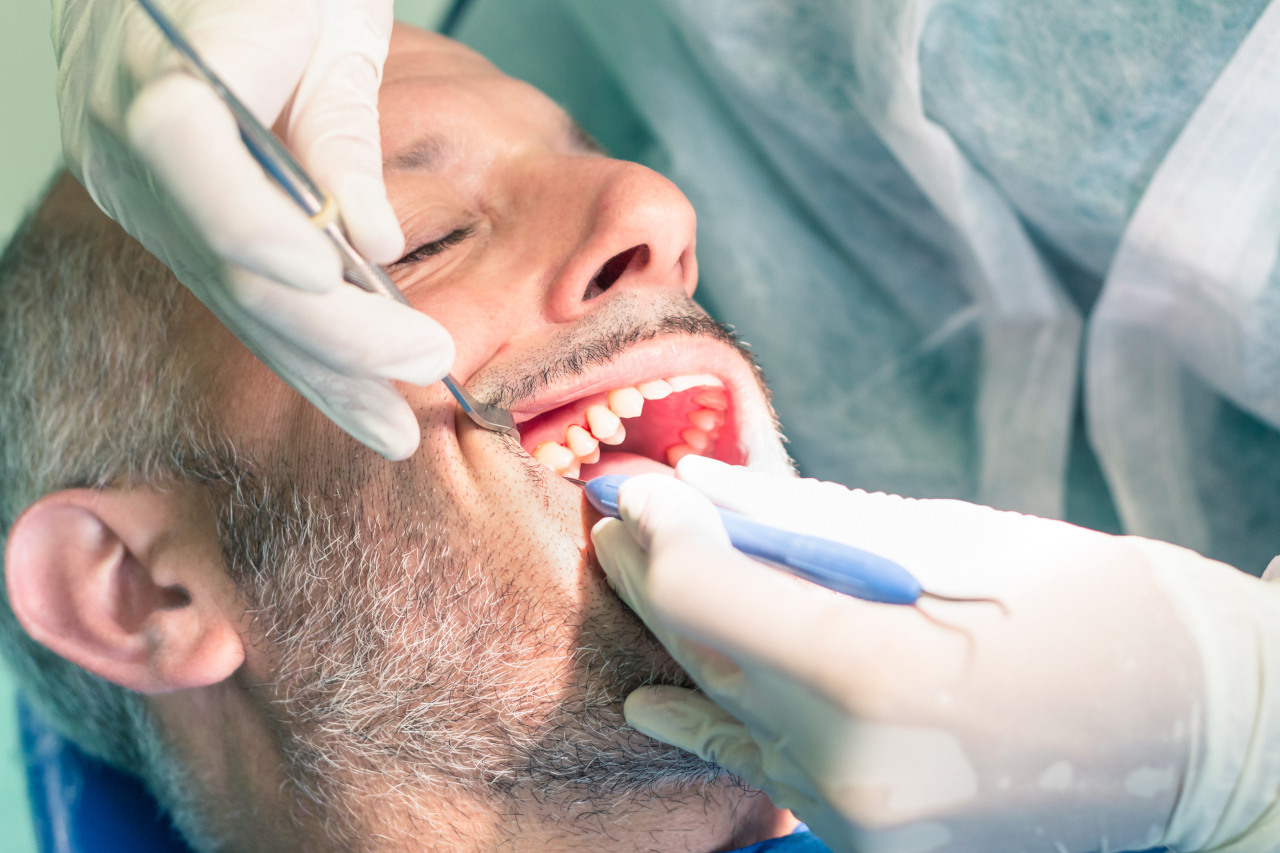
An implant consultation usually begins with a conversation about your goals. Your dentist may ask how long the tooth has been missing, why it was lost, and what you hope to achieve with replacement.
Your mouth will then be evaluated. This can include the teeth, gums, bite, available space, and condition of the tissues where an implant may be placed.
Dental imaging is an important part of planning because it provides information about the bone and surrounding structures that cannot be determined simply by looking inside the mouth.
Once the necessary information has been gathered, your dentist can explain whether dental implants appear suitable and whether any preparatory treatment may be needed.
What If You Are Not Currently a Candidate?
Being told that implant placement cannot happen immediately is not always the same as being told that you can never have an implant.
For example, gum inflammation may need to be controlled first. Bone grafting may be recommended if bone support is limited. Another dental condition may need treatment before implant surgery is considered.
In other situations, a different tooth replacement option may be more appropriate. Dental bridges and removable restorations can also replace missing teeth, depending on your needs.
The best treatment is the one that fits your oral health, goals, and long-term maintenance needs rather than simply choosing the most familiar option.
How Long Does the Dental Implant Process Take?
Dental implant treatment usually involves several stages rather than one single appointment.
The total timeline depends on whether a tooth needs to be extracted, whether bone or gum treatment is required, how the implant heals, and what type of final restoration will be used.
Healing time is important because the implant needs an opportunity to become stable within the surrounding bone before it supports the final restoration.
Although patients understandably want to know an exact completion date, treatment should be guided by healthy healing rather than rushing through the process.
How Do You Care for Dental Implants?
Implants still require excellent oral hygiene. Brush thoroughly around the restoration and clean between teeth every day using methods recommended by your dental team.
Professional dental visits are also important. These appointments allow the dentist and hygienist to monitor the gums, bite, implant restoration, and surrounding natural teeth.
If you develop bleeding, swelling, discomfort, a change in the bite, or movement around an implant restoration, schedule an evaluation rather than waiting for your next routine visit.
A dental implant should be treated as an important part of your overall oral health, not as a replacement tooth that no longer needs maintenance.
Are Dental Implants Right for You?
The best way to answer that question is with a personalized evaluation. A healthy foundation, realistic expectations, appropriate bite forces, and a commitment to ongoing maintenance all contribute to successful implant planning.
Even if you have bone loss, gum concerns, or have been missing a tooth for a long time, an evaluation can help you understand whether treatment is possible and what steps may be needed first.
Explore Dental Implants in Katy, TX
A missing tooth does not have to remain an unanswered problem. Dental implants can provide a stable tooth replacement option for many patients, but thoughtful planning is essential to determining whether they fit your individual oral health.
If you would like to learn whether you may be a candidate for dental implants, contact Wilson Dentistry at (281) 693-6427. Wilson Dentistry is located at 620 S. Peek Rd., Katy, TX 77450. Request an appointment to Schedule a Consultation and discuss your tooth replacement options.
Frequently Asked Questions About Dental Implants
Can I get a dental implant if I have bone loss?
Possibly. The amount and location of bone loss need to be evaluated. Some patients may be candidates for bone grafting or another preparatory treatment before implant placement.
Can older adults get dental implants?
Age alone does not determine whether someone is a candidate. Overall health, gum health, bone support, medications, and the ability to maintain the implant are more important considerations.
Can one dental implant replace one missing tooth?
Yes. A single implant can often support a restoration replacing one missing tooth. Implants can also be used as part of treatment plans for multiple missing teeth.