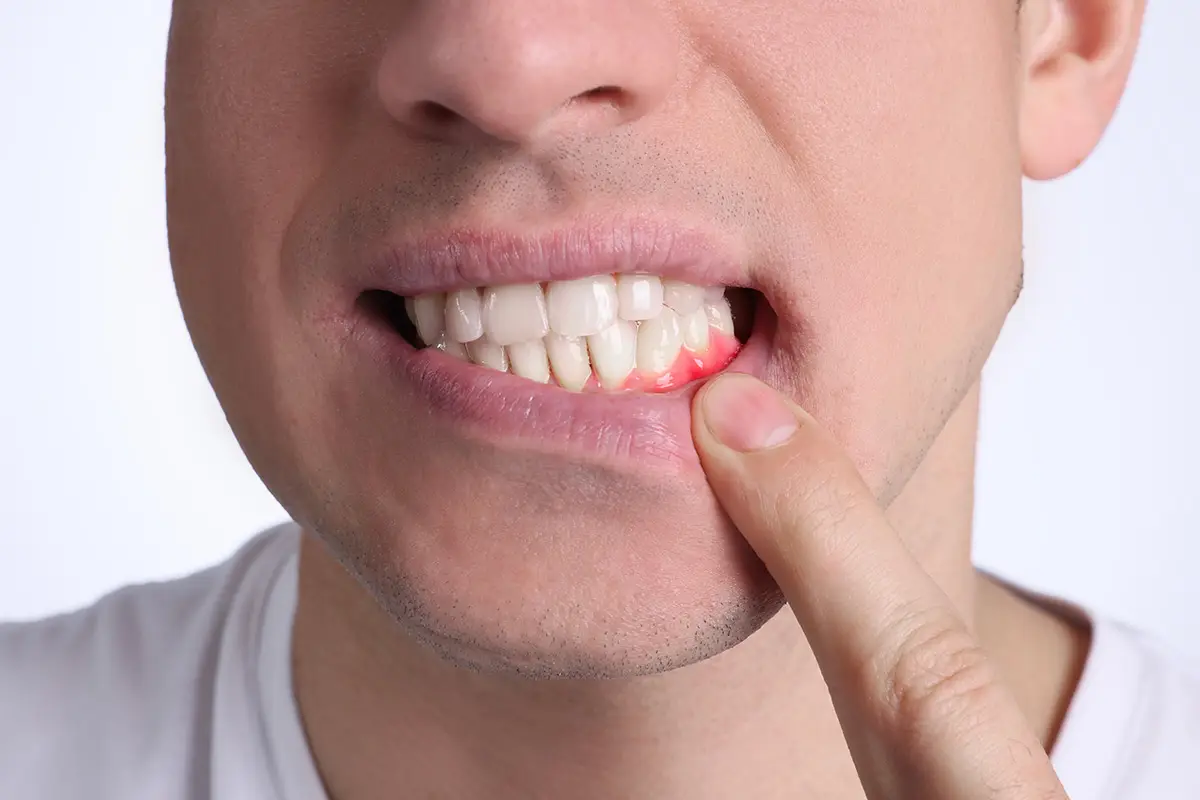
Dental emergencies do not always happen at convenient times. A tooth can suddenly begin throbbing late at night, a crown can come loose during dinner, or an accident can damage a tooth after the dental office has closed. When that happens, knowing whether the problem can safely wait until regular office hours can reduce confusion and help you respond appropriately.
Wilson Dentistry provides emergency dentistry in Katy, TX for urgent dental concerns such as pain, broken teeth, swelling, and injuries. If a problem develops outside regular office hours, the appropriate response depends on your symptoms, the type of injury, and whether your immediate health or safety is at risk.
What Counts as an After-Hours Dental Emergency?
An after-hours dental emergency is an urgent oral health problem that begins or becomes significantly worse when your regular dental office is not open.
Some situations require immediate medical attention regardless of the time. Others can often be protected overnight until you can contact the dental office when it opens.
The important distinction is whether the condition threatens breathing, causes uncontrolled bleeding, involves serious facial trauma, or creates another immediate medical risk.
For dental problems that are painful but not life-threatening, simple protective measures may help you manage the situation temporarily until professional dental care is available.
When Should You Seek Immediate Emergency Medical Care?
Some dental and facial emergencies require care from a hospital rather than waiting for a dental office to open.
Call 911 or go to the nearest emergency department if you experience:
- Difficulty breathing or swallowing
- Rapidly increasing swelling of the face or neck
- Uncontrolled heavy bleeding
- Severe facial or jaw trauma
- Loss of consciousness after an accident
- Confusion, severe dizziness, or other signs of head injury
- A medical reaction that appears to threaten immediate health
These symptoms can involve concerns beyond the teeth themselves. Once the immediate medical issue is stabilized, dental follow-up may still be necessary.
What If You Develop a Severe Toothache at Night?
Severe tooth pain can be particularly difficult at night because there are fewer distractions and lying down may make throbbing feel more noticeable.
Tooth pain can have several causes. Deep decay, inflammation inside the tooth, infection, a fracture, or a damaged restoration can all produce substantial discomfort.
If you are not experiencing serious facial swelling, difficulty breathing, uncontrolled bleeding, or another medical emergency, protect the painful tooth until you can contact the dental office.
Gently rinse with warm water and carefully brush and floss around the area if you can do so comfortably. Sometimes food trapped between teeth can create considerable pressure.
Avoid chewing on the painful side. If you normally can take an over-the-counter pain reliever, follow the product label and any guidance from your physician or pharmacist.
Do not place aspirin directly on your tooth or gum. It can irritate oral tissues and will not correct the underlying dental problem.
What If Your Face Starts Swelling After Hours?
Dental swelling deserves careful attention because infection can sometimes spread beyond the immediate area surrounding a tooth.
A small amount of localized gum swelling should prompt a call to the dentist as soon as the office is available. However, rapidly increasing swelling is different.
If facial or neck swelling becomes extensive, progresses quickly, or interferes with breathing or swallowing, seek emergency medical care immediately.
Do not attempt to cut, squeeze, or drain a swollen area at home. Even when a dental abscess drains by itself and pressure decreases, the source of the infection may remain and still require treatment.
What If a Tooth Breaks After the Dental Office Closes?
A broken tooth can range from a minor enamel chip to a significant fracture involving the inner portion of the tooth.
If the break is small and there is no severe pain, swelling, or bleeding, you may be able to protect the area temporarily until the office opens. Rinse your mouth gently and avoid chewing on that tooth.
If you find the broken piece, place it in a clean container and bring it to your dental appointment.
A deeper fracture requires more urgency, particularly if the tooth becomes extremely sensitive, bleeds from the center, or has a large section missing.
Regardless of how much the fracture hurts, avoid testing the tooth repeatedly with your tongue or by biting on it. Continued pressure could cause additional damage.
What Should You Do If a Crown Falls Off at Night?
A dental crown can loosen or detach because of wear, changes in the cement, decay underneath the restoration, or damage to the tooth.
If your crown comes off, save it. Rinse it gently if necessary and place it in a clean container.
Avoid chewing on the exposed tooth because it may be sensitive or structurally vulnerable. You should also avoid very hot, cold, sticky, or hard foods until the area has been evaluated.
Do not use household glue to permanently reattach the crown. The dentist needs to examine both the restoration and the tooth underneath before deciding whether the crown can be recemented or another treatment is necessary.
What If a Filling Falls Out After Hours?
A lost filling can expose tooth structure that is sensitive to temperature, pressure, air, and food.
Gently clean the area and avoid chewing directly on the tooth. If there is little pain and no swelling, contact the dental office when regular hours resume.
If severe pain develops, the tooth fractures, or swelling appears, the problem deserves more urgent evaluation.
A lost filling should not be ignored simply because the tooth does not hurt. The opening can collect food and leave weakened tooth structure exposed to additional pressure.
What If a Permanent Tooth Is Knocked Out?
A knocked-out permanent tooth is one of the most time-sensitive dental injuries.
Pick up the tooth by the crown, not the root. If it is dirty, gently rinse it with clean water without scrubbing or scraping the root.
Keep the tooth moist. If safe and appropriate, a permanent tooth may be gently repositioned in its socket without forcing it. Otherwise, store it in milk or an approved tooth-preservation solution.
Do not attempt to reinsert a knocked-out baby tooth.
If the injury occurred after hours and you cannot immediately reach a dentist, seek appropriate urgent medical or dental guidance based on the severity of the injury. Serious facial trauma, uncontrolled bleeding, loss of consciousness, or suspected jaw injury warrants emergency medical care.
Benefits of Knowing How to Handle an After-Hours Dental Emergency
- Helps you recognize true medical emergencies: Knowing the warning signs can help you seek immediate hospital care when breathing, swallowing, bleeding, or serious trauma is involved.
- Protects damaged teeth: Simple precautions can reduce unnecessary pressure on a broken, loose, or exposed tooth until it can be examined.
- Reduces harmful home remedies: Knowing what not to do can help prevent additional tissue or tooth damage.
- Supports time-sensitive dental care: Recognizing injuries such as a knocked-out permanent tooth can encourage faster action.
- Makes stressful situations easier to manage: A basic plan can reduce uncertainty when a dental problem happens late at night or outside regular office hours.
- Provides a clearer path to follow-up care: Temporary measures can protect the mouth until the dental team can diagnose and treat the underlying condition.
What Should Be in a Dental Emergency Kit?
A small dental emergency kit can be helpful at home, particularly for families with children or people who participate in sports.
Consider keeping clean gauze, disposable gloves, a small clean container with a lid, dental wax, an instant cold pack, and your dentist’s phone number in one easy-to-find location.
A tooth-preservation product can also be useful for sports and travel situations where dental trauma is possible.
Remember that an emergency kit is intended to help you protect an injury temporarily. It does not replace professional dental care.
Can Dental Pain Safely Wait Until Morning?
Sometimes it can, but the answer depends on the symptoms.
A mild chip with no significant pain may usually be less urgent than rapidly spreading swelling. A lost filling without discomfort may be able to wait until the office opens, while uncontrolled bleeding should receive immediate attention.
The intensity of pain is also not the only factor. Some serious dental problems cause relatively little discomfort. Therefore, consider swelling, trauma, bleeding, fever, and changes in overall health in addition to pain.
If you are uncertain, contact an appropriate healthcare professional for guidance rather than relying on an internet description to diagnose the problem.
Why Should You Still See a Dentist If the Pain Improves Overnight?
Dental symptoms sometimes fluctuate. A painful tooth may feel better the next morning, but that does not necessarily mean the underlying condition has resolved.
An infected area may drain and temporarily reduce pressure. A damaged nerve can also produce changing symptoms.
Likewise, a fractured tooth may stop hurting when you avoid chewing on it, but the fracture remains.
If you experienced severe pain, swelling, trauma, or another significant dental problem overnight, follow up with your dentist even if you feel better by morning.
How Can You Reduce the Risk of an After-Hours Emergency?
Not every emergency can be prevented. However, maintaining regular dental care can identify many problems before they become painful at inconvenient times.
Routine examinations can reveal decay, worn fillings, loose crowns, gum inflammation, and cracks that may not yet be causing noticeable symptoms.
In addition, avoid chewing ice and other very hard objects. Do not use your teeth to open packaging.
If you participate in sports, consider appropriate mouth protection. If you grind or clench your teeth, ask your dentist whether protective treatment may be appropriate.
Most importantly, do not postpone evaluation when a tooth begins repeatedly hurting. Addressing the problem while symptoms are mild may reduce the chance of a sudden dental emergency later.
Emergency Dental Care in Katy, TX
An after-hours dental problem can feel stressful, but the appropriate response becomes clearer when you focus on the symptoms. Breathing difficulty, severe spreading swelling, uncontrolled bleeding, and major facial trauma require immediate medical care. Other urgent dental problems can often be protected temporarily until professional dental treatment is available.
If you experience an urgent dental concern, contact Wilson Dentistry at (281) 693-6427. Wilson Dentistry is located at 620 S. Peek Rd., Katy, TX 77450. Request an appointment or Call Us Today for help determining the appropriate care for your dental emergency.
Frequently Asked Questions About After-Hours Dental Emergencies
Should I go to the emergency room for a toothache?
Most toothaches are best evaluated by a dentist. However, go to the emergency room or call 911 for difficulty breathing or swallowing, rapidly spreading facial or neck swelling, uncontrolled bleeding, severe trauma, or other symptoms that threaten immediate health.
Can a broken tooth wait until morning?
A small chip without significant pain may be able to wait for regular dental hours. A major fracture with severe pain, bleeding, swelling, or significant trauma should receive more urgent attention.
Should I see a dentist if my toothache feels better the next day?
Yes, significant or recurring tooth pain should still be evaluated. Symptoms can temporarily improve even though decay, infection, a fracture, or another dental problem remains.