Seeing blood in your mouth can be unsettling, especially when you are not sure where it is coming from. Sometimes bleeding is caused by irritated gums or a minor bite to the cheek. In other situations, persistent bleeding can be connected to dental trauma, significant gum inflammation, or an injury that needs prompt professional attention.
Wilson Dentistry provides emergency dentistry in Katy, TX for urgent dental injuries and other oral health concerns. Because bleeding can have many causes, understanding the amount, source, duration, and circumstances can help you determine whether you need a dental appointment or immediate emergency medical care.
When Is Oral Bleeding a Dental Emergency?
Minor oral bleeding is fairly common. For example, irritated gums can bleed while brushing or flossing. A small cheek bite may also produce temporary bleeding that stops with gentle pressure.
However, bleeding becomes more concerning when it is heavy, does not slow with steady pressure, follows significant trauma, or occurs with other serious symptoms.
If blood is flowing heavily and cannot be controlled, seek immediate medical care. Likewise, severe facial injuries and symptoms affecting breathing or consciousness require emergency medical attention.
For persistent but controlled bleeding involving a tooth or gum tissue, contact a dentist for evaluation.
What Should You Do if Your Mouth Is Bleeding?
First, try to identify the general area where the blood is coming from. Do not aggressively probe the injury with your fingers or an object.
Gently rinse the mouth with cool or lukewarm water if necessary to clear excess blood. Then place clean gauze over the bleeding area and apply steady pressure.
Try not to remove the gauze repeatedly to check whether bleeding has stopped. Continually disturbing the area can interfere with clot formation.
If the bleeding is related to a significant injury or does not slow despite sustained pressure, seek appropriate emergency care.
Bleeding After a Tooth Is Knocked Out
When a tooth is completely knocked out, bleeding from the empty socket is expected. However, the injury still requires prompt attention.
If the tooth is permanent, locate it and pick it up by the crown rather than the root. Gently rinse it with clean water if necessary, but do not scrub it.
Keep the tooth moist while seeking dental care. Depending on the situation, it may be gently repositioned in the socket without force, or stored in milk or an approved tooth-preservation solution.
Do not reinsert a knocked-out baby tooth.
Apply clean gauze to the socket if needed to help control bleeding. If the injury includes uncontrolled heavy bleeding, major facial trauma, loss of consciousness, or other serious symptoms, seek emergency medical care.
Bleeding From a Broken or Loose Tooth
A fractured tooth can sometimes bleed if the break extends into the inner portion of the tooth or damages the surrounding gum tissue.
A tooth that becomes loose after trauma can also be associated with bleeding around the gumline.
Rinse gently with water and avoid chewing on the affected side. If part of the tooth broke off, place the fragment in a clean container and bring it with you.
Contact a dentist promptly when bleeding is associated with significant tooth damage. Dental imaging may be necessary to determine whether the root, surrounding bone, or neighboring teeth were also injured.
What if Your Gums Bleed When You Brush?
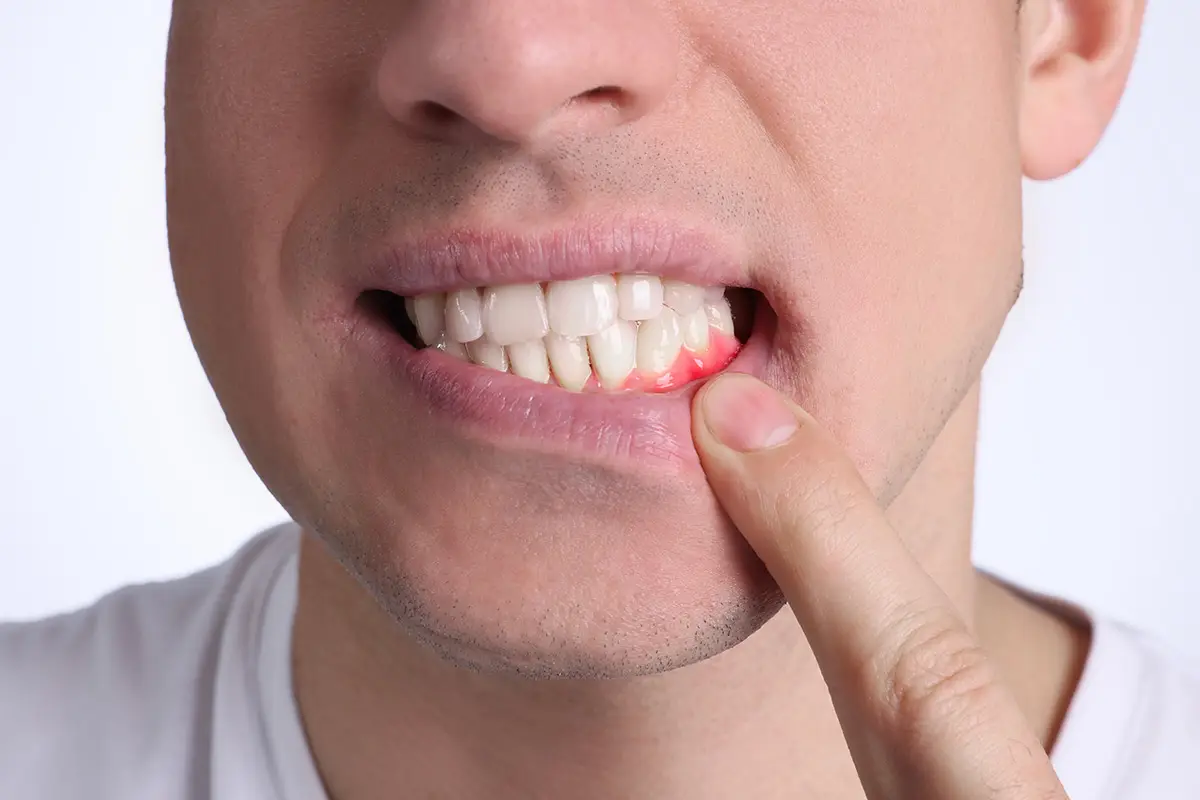
Bleeding during brushing or flossing is generally different from traumatic bleeding. It can occur when gum tissue is inflamed.
Plaque that accumulates along the gumline can irritate the tissue, making it more likely to look red, swollen, or bleed when cleaned.
Occasional bleeding does not necessarily mean you have an emergency. However, recurring gum bleeding should not simply be accepted as normal.
Wilson Dentistry provides periodontal care in Katy, TX for patients with gum health concerns. If your gums regularly bleed, a dental examination can help identify whether inflammation, gum disease, brushing technique, or another issue is contributing.
Can Gum Disease Cause Bleeding?
Yes. Gum inflammation is a common reason for recurring bleeding around the teeth.
Early gum problems can cause redness, puffiness, tenderness, or bleeding during brushing and flossing. More advanced periodontal problems can affect the tissues and bone supporting the teeth.
The important distinction is that chronic gum bleeding is usually not managed in the same way as uncontrolled bleeding from an injury. It still deserves dental care, but the goal is to identify and treat the condition causing the inflammation.
Regular periodontal evaluation can help determine the health of the gum tissue and whether additional treatment is appropriate.
What if You Cut Your Lip, Tongue, or Cheek?
Soft tissues inside the mouth contain many blood vessels, so even relatively small cuts can bleed noticeably.
For a minor injury, rinse gently and apply pressure with clean gauze. A cold compress on the outside of the face can help manage swelling when appropriate.
If a lip is injured, you can also apply gentle pressure from both sides using clean material.
Seek professional attention when the cut is deep, the tissue edges are widely separated, bleeding does not slow, or the injury resulted from significant facial trauma.
In addition, be cautious if there may be tooth fragments, glass, or another object embedded in the tissue. Do not aggressively dig into the wound at home.
Benefits of Emergency Dental Care for Oral Bleeding
- Identifies the source of bleeding: A dental examination can help determine whether blood is coming from gum tissue, an injured tooth, a fracture, or another oral structure.
- Evaluates related dental damage: Injuries that cause bleeding can also affect tooth roots, supporting bone, or nearby teeth.
- Provides appropriate treatment: Care can be directed toward the actual cause rather than relying only on temporary pressure or home remedies.
- Helps protect damaged teeth: Prompt evaluation can be important when bleeding accompanies a loose, fractured, or knocked-out tooth.
- Addresses recurring gum bleeding: Professional evaluation can identify inflammation and other periodontal concerns that need ongoing care.
- Provides clear guidance: Patients receive instructions about cleaning, eating, activity, and warning signs that require additional attention.
When Should Bleeding Send You to the Emergency Room?
Heavy bleeding that cannot be controlled is a medical emergency.
Call 911 or seek treatment at the nearest emergency department when oral bleeding is severe, continues despite steady pressure, or occurs with serious facial trauma.
Immediate medical attention is also appropriate when an injury causes difficulty breathing, loss of consciousness, confusion, severe weakness, or other concerning symptoms.
If the patient takes blood-thinning medication or has a medical condition that affects clotting, communicate that information to the healthcare professionals providing care.
What About Bleeding After Dental Treatment?
A small amount of bleeding can be expected after certain dental procedures, such as a tooth extraction or some periodontal treatments.
Your dentist should provide specific instructions about what is normal and how to protect the area during early healing.
Follow those instructions carefully. If you are told to bite on gauze, use the pressure and timing recommended by the dental team.
Contact the office if bleeding seems heavier than expected, increases rather than decreases, or continues despite following the provided instructions.
If bleeding becomes severe or you feel faint, weak, or otherwise medically unwell, seek emergency care.
Should You Rinse Your Mouth Repeatedly When It Is Bleeding?
Repeated vigorous rinsing is not always helpful. When the body is trying to form a clot, continually disturbing the area can prolong bleeding.
If you need to clear the mouth after an injury, use a gentle rinse. Afterward, apply steady pressure to the bleeding area with clean gauze when appropriate.
Following an extraction or another dental procedure, use the exact rinsing instructions provided by your dentist because recommendations may vary depending on the treatment and stage of healing.
Can Medications Affect Oral Bleeding?
Some medications and medical conditions can affect how quickly blood clots.
For example, patients taking certain medications for cardiovascular conditions may notice that bleeding takes longer to stop. This does not mean you should stop prescribed medication on your own.
Always tell your dentist which prescription medications, over-the-counter medications, and supplements you take.
If oral bleeding occurs while you are using medication that affects clotting, contact the appropriate healthcare professional for individualized guidance. Never discontinue a prescribed medication unless the clinician responsible for your care tells you to do so.
How Can You Reduce Recurring Gum Bleeding?
If gum bleeding is related to inflammation rather than an acute injury, consistent oral hygiene is important.
Brush thoroughly but gently with a soft-bristled toothbrush. Clean between your teeth daily using floss or another interdental cleaning method recommended by your dentist.
Avoid stopping oral hygiene simply because your gums bleed. If plaque-related inflammation is contributing, avoiding the area can allow more buildup to accumulate.
However, persistent bleeding should be evaluated rather than managed entirely at home. A dentist or dental hygienist can assess gum health and explain whether professional periodontal care is necessary.
What Other Symptoms Should You Mention to Your Dentist?
Bleeding rarely tells the entire story. When you contact your dentist, mention any other symptoms you have noticed.
These may include loose teeth, gum swelling, tooth pain, a bad taste, drainage, gum recession, facial swelling, fever, or recent dental trauma.
You should also mention how long the bleeding has been happening and whether it begins spontaneously or only when brushing, flossing, eating, or touching a particular area.
This information can help the dental team better understand the urgency of your situation.
Can Regular Dental Care Help Prevent Oral Bleeding?
Routine dental care cannot prevent every accidental injury, but it can help manage several common causes of recurring gum bleeding.
Professional cleanings help remove deposits that are difficult to eliminate through home care alone. Dental examinations can also identify gum inflammation, cavities, damaged restorations, and other conditions before they progress.
If you participate in contact sports or activities where dental injuries are possible, appropriate mouth protection may reduce the risk of trauma to teeth, lips, and gums.
In addition, avoid using your teeth as tools and be cautious when chewing unusually hard foods that could fracture teeth or restorations.
Get Help for Oral Bleeding in Katy, TX
Not every instance of oral bleeding is a dental emergency. However, persistent bleeding, significant dental trauma, loose or fractured teeth, and recurring gum bleeding deserve professional attention. Heavy bleeding that cannot be controlled requires immediate medical care.
If you are concerned about bleeding gums, a mouth injury, or another urgent dental problem, contact Wilson Dentistry at (281) 693-6427. Wilson Dentistry is located at 620 S. Peek Rd., Katy, TX 77450. Request an appointment or Call Us Today for help determining the appropriate care for your oral health concern.
Frequently Asked Questions About Oral Bleeding
When is bleeding from the mouth an emergency?
Seek emergency medical care when oral bleeding is heavy, cannot be controlled with steady pressure, or occurs with severe facial trauma, breathing difficulty, loss of consciousness, or other serious symptoms.
Are bleeding gums always a dental emergency?
No. Recurring gum bleeding is often associated with inflammation and usually does not require hospital care. However, it should still be evaluated by a dentist, particularly if it persists or occurs with swelling, loose teeth, or discomfort.
How can I temporarily control bleeding after a mouth injury?
When appropriate, gently clean the area and apply steady pressure with clean gauze. Avoid repeatedly removing the gauze to check the area. Seek professional care if bleeding remains heavy or does not slow.