Gum Disease Affects Your Heart
Posted on 3/21/2022 by Evan Health is a top priority, from healthy eating to regular exercise. It is possible for your heart to suffer if you do not take care of your teeth. Inflammatory...
Posted on 3/21/2022 by Evan Health is a top priority, from healthy eating to regular exercise. It is possible for your heart to suffer if you do not take care of your teeth. Inflammatory gum diseases, also known as periodontal diseases, are most commonly caused by gingivitis. Plaque buildup is a sticky film of bacteria that forms on the teeth and gums. Plaque accumulation beneath the gum line can lead to periodontitis, which occurs when plaque accumulates. Atherosclerosis differs from coronary artery disease in that it is caused by a different type of plaque. Left untreated, atherosclerosis can pose a serious health risk. The condition can lead to heart attacks.
How The Two Are Connected
Although medical experts are unsure why gum disease raises your risk of heart disease, they believe that undiagnosed periodontitis can cause bacteria from your mouth to travel through your blood, causing clogs in your arteries and increasing your risk of a heart attack. When your arteries become clogged with plaque and bacteria, they narrow and harden, preventing oxygen-rich blood from reaching your heart.
Protect Yourself
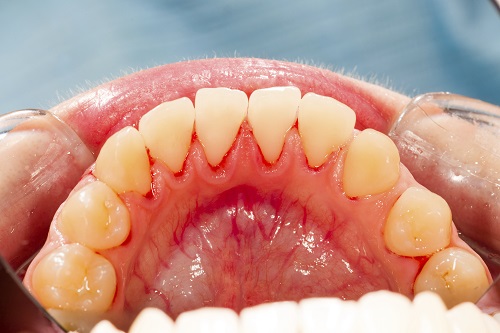
A variety of conditions have been linked to heart disease, including gum disease. Poor dietary habits, high blood pressure, and unhealthy lifestyle choices all increase your risk of developing heart disease. If you are aware of the early symptoms of gum disease, you can prevent periodontitis from affecting your gums and heart. The most common signs of gum disease include gum inflammation, bleeding gums, gum sensitivity, pain when chewing, loose teeth, receding gums, and bad breath. You should consult your dentist as soon as possible if you notice any symptoms of gum disease. Inflamed gums often indicate gum disease. If performed early on, deep cleanings, scaling, and root planing can improve gum disease symptoms and protect your heart from infection.