Dental swelling can be easy to underestimate when it first appears. You may notice a tender spot on the gum, mild pressure near a tooth, or a small bump that seems harmless. However, when swelling is connected to a dental infection, symptoms can become more serious and deserve prompt professional attention.
Wilson Dentistry provides emergency dentistry in Katy, TX for urgent dental problems involving pain, swelling, infection, damaged teeth, and other concerns that should not wait for a routine visit. Knowing the signs of a possible dental abscess can help you recognize when it is time to call a dentist and when symptoms require emergency medical care.
What Is a Dental Abscess?
A dental abscess is a localized collection of infection associated with a tooth or surrounding gum tissue. It can form when bacteria reach areas where the body cannot easily eliminate them.
For example, an infection may develop inside a tooth after deep decay, a fracture, or other damage allows bacteria to reach the dental pulp. Infection can also develop in tissues around the tooth.
As the immune system responds, pressure, tenderness, swelling, and drainage can occur. The symptoms can range from relatively localized discomfort to significant facial swelling.
Because the infection has an underlying source, a dental abscess generally requires professional evaluation rather than simply waiting for symptoms to disappear.
What Does a Dental Abscess Feel Like?
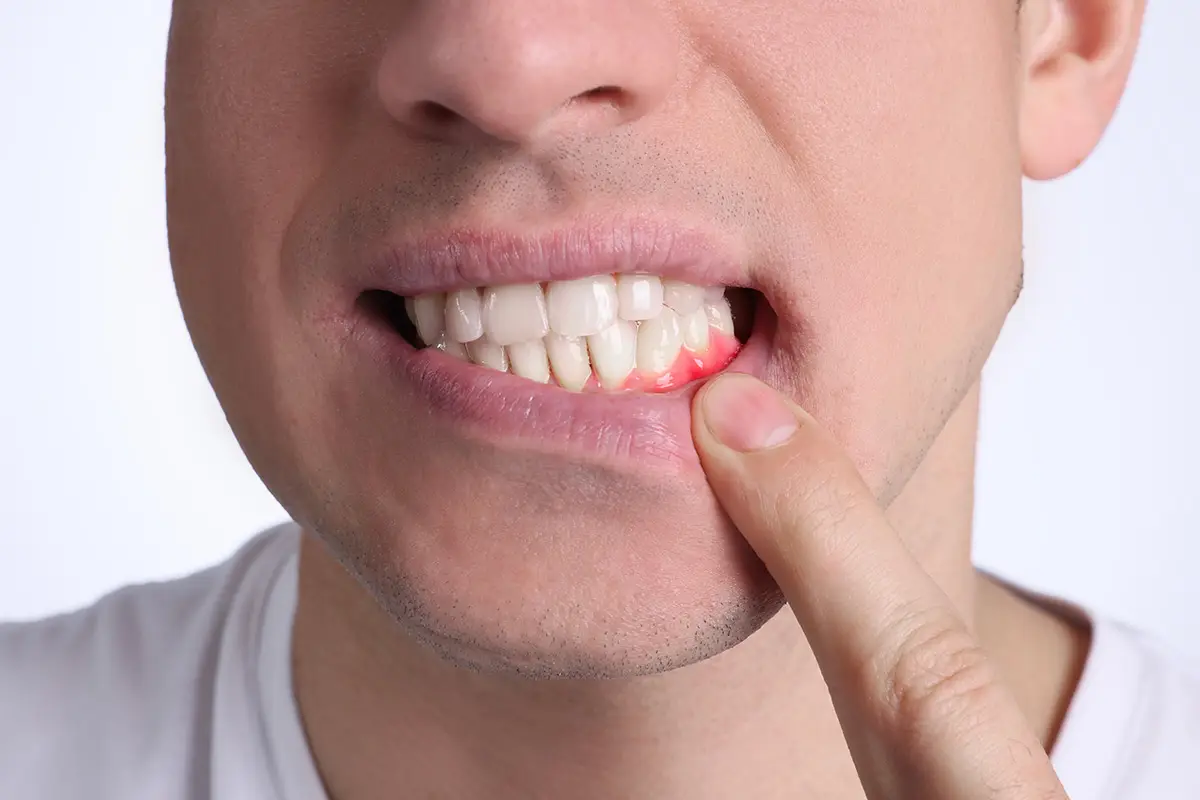
Symptoms vary depending on the location and severity of the infection. Some patients experience intense pain, while others first notice swelling or a bump on the gum.
Possible symptoms include:
- Throbbing or persistent tooth pain
- Swelling around a tooth
- A tender or swollen area of gum tissue
- A pimple-like bump on the gum
- Drainage or an unpleasant taste in the mouth
- Pain when biting or chewing
- Sensitivity to hot or cold temperatures
- Swelling of the cheek or jaw
- Tender lymph nodes
- Fever or chills
- Feeling unusually tired or unwell
- Difficulty opening the mouth comfortably
Not every person with an infected tooth will experience every symptom. In addition, the amount of pain does not always indicate how serious the infection is.
Can a Dental Abscess Stop Hurting Without Treatment?
Yes, pain can sometimes decrease even when the underlying dental problem has not been resolved.
For example, an abscess may begin draining, which can temporarily reduce pressure. In other situations, changes within the nerve of the tooth can cause pain to decrease.
Unfortunately, feeling better does not necessarily mean the infection is gone. Bacteria may still remain in or around the tooth.
Therefore, if you have experienced significant dental pain, swelling, drainage, or a recurring bump on the gums, contact a dentist even if your symptoms temporarily improve.
When Is Facial Swelling a Dental Emergency?
Swelling near a painful tooth should be taken seriously, particularly when it is increasing.
Localized swelling along the gumline can indicate inflammation or infection around a tooth. Swelling that begins extending into the cheek, jaw, or face raises additional concerns because the infection may be affecting a larger area.
Contact an emergency dentist promptly if you notice dental pain together with swelling.
If swelling becomes severe, spreads quickly, involves the neck, or begins interfering with breathing or swallowing, seek emergency medical attention. Do not wait for a dental appointment when breathing or swallowing is affected.
When Should You Go to the Emergency Room?
Many dental infections can be evaluated by a dentist. However, certain symptoms can indicate a potentially serious medical situation.
Call 911 or go to the nearest emergency department if you experience:
- Difficulty breathing
- Difficulty swallowing
- Rapidly increasing facial or neck swelling
- Severe swelling around the jaw or throat
- Confusion, fainting, or significant weakness
- A serious facial injury in addition to dental symptoms
- Other signs that your immediate health may be at risk
Emergency medical professionals can address immediate threats to breathing, circulation, and overall health. After you are medically stable, dental treatment may still be necessary to address the tooth responsible for the infection.
What Causes Dental Abscesses?
Untreated Tooth Decay
Dental decay begins when acids produced by bacteria damage tooth enamel. As a cavity becomes deeper, bacteria can reach the dentin and eventually move toward the dental pulp.
If bacteria reach the nerve and blood supply inside the tooth, significant inflammation or infection can develop.
Cracked or Broken Teeth
A fracture can create a pathway for bacteria to reach deeper areas of the tooth. Some cracks are caused by injuries, while others develop gradually because of grinding, large restorations, or repeated biting forces.
A cracked tooth may initially produce only discomfort during chewing. If bacteria enter the tooth, symptoms can become more persistent.
Problems Around the Gums
Infection can also occur in the tissues surrounding a tooth. Gum inflammation, periodontal pockets, or trapped debris can contribute to localized infection.
Because tooth and gum infections can create similar symptoms, professional examination is necessary to identify the source.
Previous Dental Damage
A tooth that has experienced significant previous decay, trauma, or restorative treatment may develop new problems over time.
Regular dental examinations help monitor these teeth and identify changes before they become painful emergencies.
Benefits of Emergency Dental Care for a Dental Abscess
- Identification of the infection source: A dental examination can help determine whether the problem begins inside the tooth, around the root, or in the surrounding gum tissue.
- Prompt treatment planning: Once the cause is identified, the dentist can explain the treatment needed to address the source of the infection.
- Relief from pressure and discomfort: Appropriate dental care can help manage the condition responsible for pain and swelling.
- Protection of surrounding tissues: Treating an infected tooth promptly can help reduce the risk of the problem becoming more extensive.
- Evaluation of tooth restorability: The dentist can determine whether the affected tooth can be preserved or whether another approach is necessary.
- Clear follow-up instructions: Patients can receive individualized guidance about oral hygiene, eating, medications, warning signs, and future appointments.
How Does a Dentist Evaluate an Abscessed Tooth?
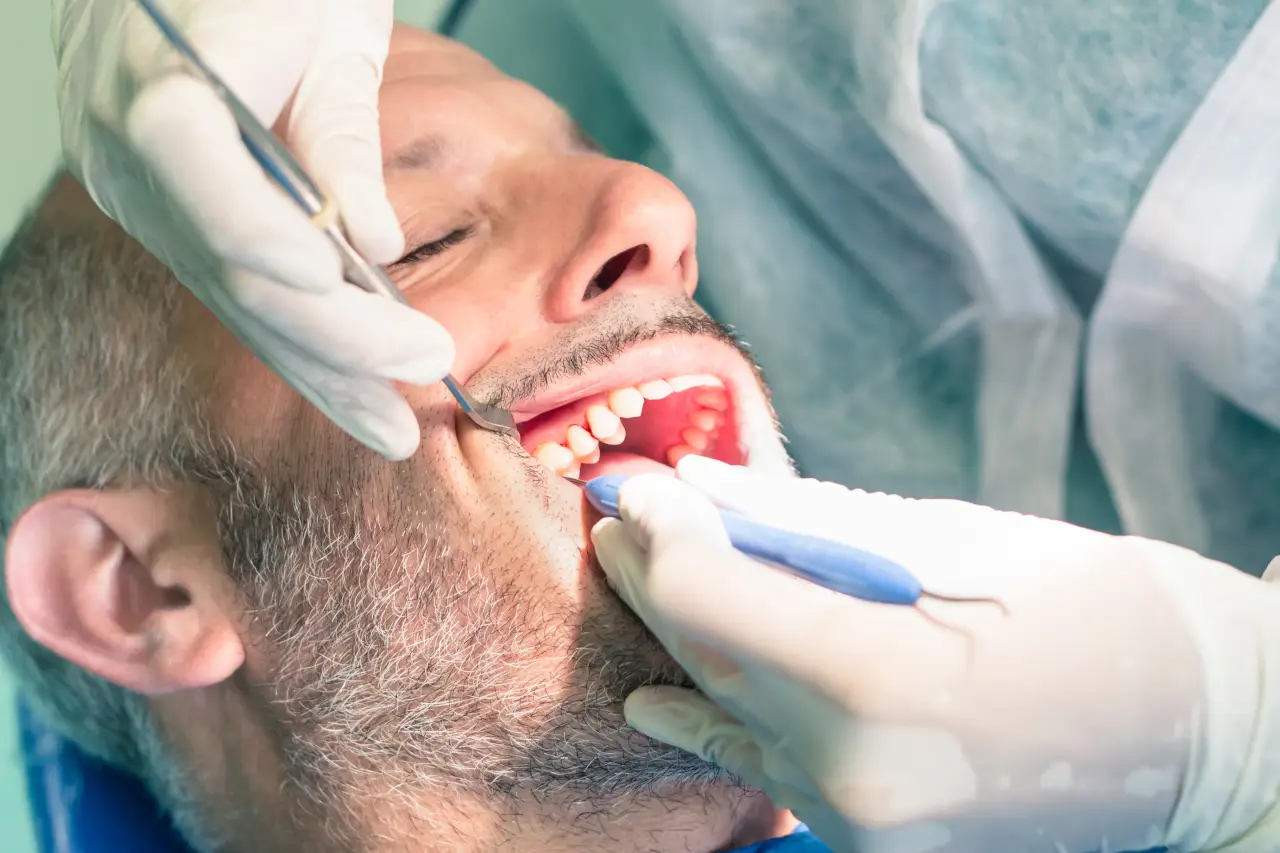
An emergency dental examination begins by discussing your symptoms. The dentist may ask when pain or swelling began, whether symptoms are changing, whether the tooth hurts when you bite, and whether you have experienced drainage or fever.
The dentist will then examine the tooth, gums, and surrounding tissues. Gentle pressure or bite testing may help identify which tooth is involved.
Dental imaging can also provide useful information about the root, surrounding bone, deep decay, and other conditions that cannot be fully evaluated by looking at the surface of the tooth.
After identifying the likely source, the dentist can explain treatment options based on the health and restorability of the tooth.
Will Antibiotics Fix a Dental Abscess?
Antibiotics may be appropriate in certain dental infection situations, particularly when infection has spread or there are systemic symptoms. However, antibiotics alone do not necessarily correct the dental problem that allowed the infection to develop.
For example, if bacteria are entering through severely decayed or damaged tooth structure, the tooth itself may still require treatment.
This is why professional dental evaluation is important. Treatment needs to address both the symptoms and the underlying source whenever possible.
Never take leftover antibiotics from a previous illness or medication prescribed for another person. Medication selection, dosing, and duration should be determined by an appropriate healthcare professional.
Should You Try to Drain an Abscess at Home?
No. Do not cut, squeeze, puncture, or attempt to drain a swollen dental area yourself.
Home attempts can injure the tissue, introduce additional bacteria, create bleeding, or delay appropriate care.
If a gum bump drains on its own, rinse your mouth gently with warm water and contact your dentist. Drainage may reduce pressure temporarily, but the source of the infection may still remain.
What Can You Do While Waiting to See a Dentist?
If you are waiting for an emergency dental appointment and are not experiencing symptoms that require hospital care, keep the mouth as clean as you comfortably can.
Gently rinse with warm water and brush carefully around the area. Avoid aggressively flossing swollen or painful tissue.
Choose foods that are easy to chew and avoid placing pressure directly on the painful tooth. Very hot, cold, sugary, or hard foods may increase sensitivity.
A cold compress placed on the outside of the face can sometimes help with discomfort associated with swelling. Use it in short intervals with cloth between the compress and your skin.
If you normally can take an over-the-counter pain medication, follow the label directions and any guidance from your medical provider. Do not place aspirin directly on your gums or tooth.
What Treatment May Be Needed for an Abscessed Tooth?
Treatment depends on where the infection originates and how much healthy tooth structure remains.
Some teeth can be treated and later restored. In other situations, extensive damage may mean the tooth cannot be predictably preserved.
If a tooth needs significant repair after the infection has been addressed, restorative dentistry may be part of the longer-term treatment plan.
The dentist will consider factors such as decay, fractures, bone support, previous dental work, bite forces, and the overall condition of the tooth before recommending treatment.
Can You Prevent a Dental Abscess?
Not every dental infection can be prevented, but preventive dental care can greatly reduce common risk factors.
Brush your teeth consistently with fluoride toothpaste and clean between teeth every day. These habits help control plaque and reduce the likelihood that cavities and gum inflammation will progress unnoticed.
Regular dental examinations are also important. A small cavity can often be treated before it becomes deep enough to threaten the nerve of the tooth.
In addition, do not ignore a cracked tooth, loose filling, or damaged crown. Openings around damaged tooth structure can allow bacteria to reach areas that were previously protected.
If you participate in sports, use appropriate protective equipment. Dental trauma can create fractures that increase future infection risk.
Why You Should Not Ignore a Recurring Gum Bump
Some people notice a small pimple-like bump on the gum that appears, drains, disappears, and then returns.
Because it may not always hurt, it can be tempting to ignore. However, recurring drainage can be associated with an underlying dental infection.
Even if the bump is small and painless, schedule a dental examination. Identifying the source can help prevent a quiet problem from becoming a painful emergency later.
Is Every Swollen Gum an Abscess?
No. Gum swelling can have several possible causes, including irritation, trapped food, gum inflammation, trauma, and infection.
However, swelling that persists, worsens, becomes painful, produces drainage, or appears near a tooth that hurts should be evaluated.
Because the symptoms of different oral conditions can overlap, trying to diagnose a swollen area based on appearance alone is difficult.
Contact an Emergency Dentist for Dental Swelling in Katy, TX
Dental swelling is not something you need to evaluate alone. If you have persistent tooth pain, swelling, drainage, or a recurring gum bump, prompt dental care can help identify the source and determine what treatment is needed.
Contact Wilson Dentistry at (281) 693-6427 for urgent dental concerns. Wilson Dentistry is located at 620 S. Peek Rd., Katy, TX 77450. Request an appointment or Call Us Today if you are experiencing symptoms of a possible dental abscess.
Frequently Asked Questions About Dental Abscesses
Is a dental abscess an emergency?
A suspected dental abscess should receive prompt dental attention. Swelling that spreads rapidly or causes difficulty breathing or swallowing requires immediate emergency medical care.
Can a dental abscess go away by itself?
Symptoms may temporarily decrease, especially if the area drains, but the underlying source of infection can remain. A dental evaluation is still recommended.
Should I pop a dental abscess?
No. Do not squeeze, cut, puncture, or attempt to drain a suspected dental abscess yourself. Contact a dentist for professional evaluation.