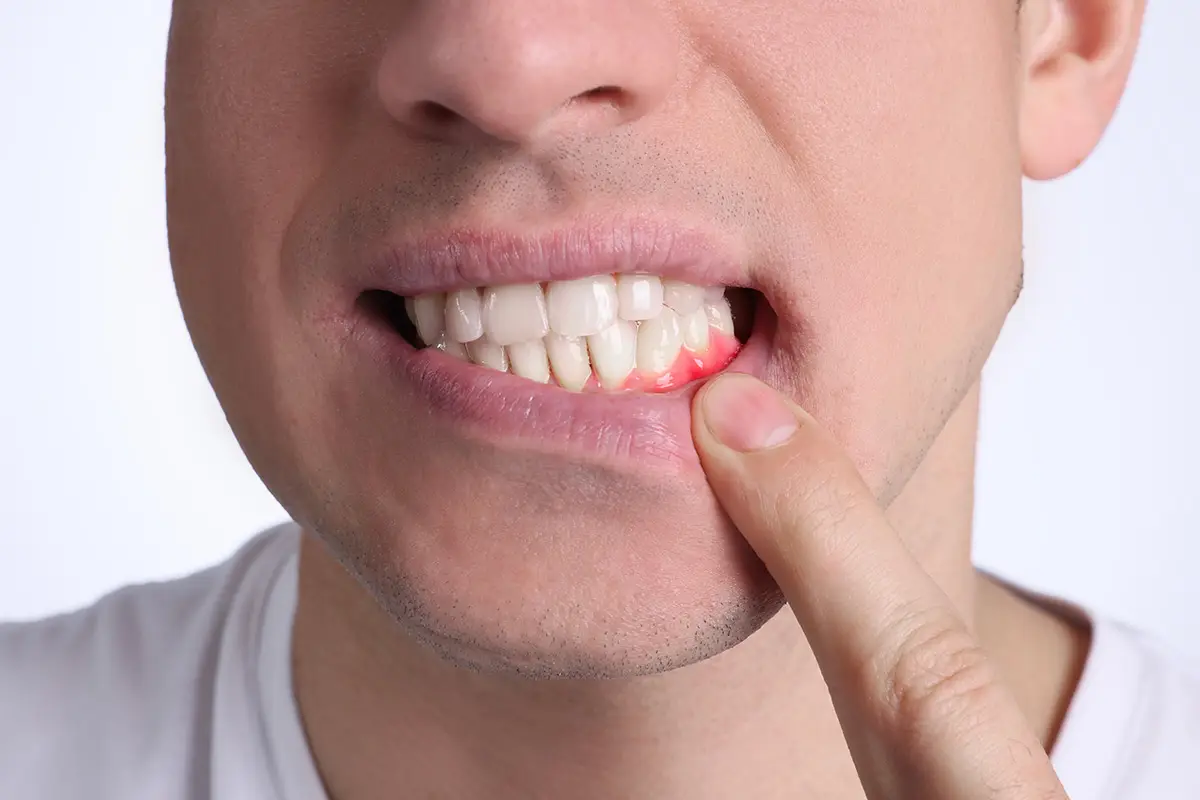

You take a bite of food and suddenly feel something hard that does not belong there. Perhaps part of a tooth has broken, a filling has fallen out, or a crown has come loose. Even when the pain is mild, damaged teeth and restorations can create uncertainty about how quickly you need dental care.
Wilson Dentistry provides emergency dental care in Katy, TX for problems involving broken teeth, damaged restorations, dental injuries, and unexpected pain. The urgency of a broken tooth, crown, or filling depends on the amount of damage, your symptoms, and whether the remaining tooth structure is protected.
Is a Broken Tooth a Dental Emergency?
A broken tooth should be evaluated by a dentist, although not every fracture requires the same level of urgency.
A very small chip with no pain may sometimes be handled during a regular dental visit. On the other hand, a significant fracture, severe pain, bleeding from inside the tooth, swelling, or sharp exposed edges may require emergency dental care.
The challenge is that the visible portion of a break does not always reveal the full extent of the damage. A fracture can extend beneath the gumline or toward the center of the tooth. Therefore, professional evaluation is important even if the initial discomfort is manageable.
Signs a Broken Tooth Needs Prompt Attention
Contact a dentist promptly if you notice:
- A large piece of the tooth has broken away
- Sharp or persistent pain
- Strong sensitivity to hot or cold temperatures
- Pain when biting or releasing pressure
- Bleeding from the center of a fractured tooth
- Swelling around the tooth or gum
- A crack extending toward or beneath the gumline
- A tooth that feels loose after an injury
- A crown that has come completely off
- A lost filling that leaves a large opening in the tooth
- A sharp edge cutting your tongue or cheek
- Signs of infection such as drainage, swelling, or fever
If there is severe facial trauma, uncontrollable bleeding, difficulty breathing, or other serious medical symptoms, seek emergency medical attention before focusing on the dental repair.
What Causes Teeth to Break?
Teeth are strong, but they are not indestructible. A tooth may fracture because of direct trauma, untreated decay, repeated grinding, a weakened restoration, or biting something unusually hard.
Large fillings can also change how forces are distributed through a tooth. Over time, the remaining natural structure may become more vulnerable to cracking.
In addition, teeth that have already been weakened by decay or previous damage may fracture during an ordinary meal. The food itself may not necessarily be the primary problem. Instead, the bite can reveal a weakness that was already present.
Different Types of Broken Teeth
Small Enamel Chips
A minor chip may affect only the outer enamel. These injuries are not always painful. However, rough edges can irritate the tongue or cheek, and the appearance of the tooth may change.
A dentist can determine whether the area should be smoothed, bonded, or repaired another way.
Deeper Fractures
A larger break may extend through enamel into the underlying dentin. This can create sensitivity because dentin is more responsive to temperature and pressure.
Deeper fractures deserve prompt evaluation because the remaining tooth may continue to break if it is exposed to normal chewing forces.
Fractures Involving the Nerve
If a significant portion of the tooth breaks away, the inner pulp may become exposed. This can cause severe sensitivity or pain. The center of the tooth may appear pink or red and may bleed.
This type of injury requires prompt dental treatment.
Cracks Extending Below the Gumline
Some fractures travel vertically through a tooth. Depending on their location and depth, these cracks can be more complicated to treat.
A dental examination and imaging can help determine whether the tooth is restorable and which treatment options are appropriate.
What Should You Do After Breaking a Tooth?
Rinse your mouth gently with warm water to remove food or debris. If you can find the broken piece of tooth, place it in a clean container and bring it to your appointment.
If an injury caused the fracture and swelling is present, use a cold compress on the outside of your face. Apply it in short intervals and avoid placing ice directly against your skin.
Do not chew on the damaged tooth. Softer foods and chewing on the opposite side can reduce pressure until the area is treated.
If the tooth has a sharp edge, avoid repeatedly touching it with your tongue. Dental wax may temporarily help protect nearby soft tissues, but it does not repair the tooth.
Most importantly, contact a dentist for evaluation rather than attempting to glue or permanently repair the tooth yourself.
Is a Lost Filling an Emergency?
A filling can fall out because of wear, decay around the restoration, biting pressure, or fracture of the tooth structure surrounding it.
Some lost fillings cause immediate sensitivity. Others may cause surprisingly little discomfort at first. However, the opening left behind can trap food and expose vulnerable tooth structure.
If a filling falls out, keep the area clean and avoid chewing directly on the tooth. Contact the dental office to determine how quickly it should be evaluated.
Wilson Dentistry offers dental fillings in Katy for teeth that need appropriate restorative treatment after decay, damage, or loss of an existing filling.
What Should You Do If a Dental Crown Comes Off?
A crown covers and protects a tooth that has typically undergone previous dental treatment or has lost substantial natural structure. If the crown becomes loose or falls off, the underlying tooth may become sensitive and vulnerable.
If you still have the crown, keep it in a safe container and bring it with you. Avoid chewing on the exposed tooth.
Do not permanently glue the crown back onto the tooth using household adhesives. Products that are not intended for oral use can damage tissues and interfere with professional treatment.
The dentist will need to determine why the crown came off. In some cases, the crown itself may still be usable. In others, changes in the tooth, decay, fracture, or damage to the restoration may require a different solution.
For teeth that require greater coverage and protection, Wilson Dentistry also provides porcelain dental crowns.
Benefits of Emergency Dental Care for Broken Teeth and Restorations
- Protection of remaining tooth structure: Prompt care can help reduce the chance that a weakened tooth will fracture further.
- Relief from sensitivity and pain: Repairing or protecting exposed tooth structure can reduce discomfort caused by temperature and pressure.
- Evaluation for hidden damage: A dentist can determine whether a visible chip is connected to a deeper fracture.
- Restoration of chewing function: Appropriate treatment can help you return to comfortable biting and chewing.
- Reduced irritation: Repairing a sharp or jagged edge can protect the tongue, lips, and cheeks.
- Personalized restorative planning: The dentist can determine whether a filling, crown, bonding procedure, or another treatment is appropriate for the damaged tooth.
Can a Broken Tooth Be Saved?
Many broken teeth can be repaired, but the answer depends on the location and extent of the fracture.
A small chip may require minimal treatment. A larger fracture may need bonding, a filling, or a crown. If damage extends into the inner portion of the tooth, additional treatment may be necessary before the tooth can be restored.
Some fractures extend too far below the gum or through the root to allow predictable restoration. In those situations, the dentist can explain replacement options.
The important point is that a broken tooth should be examined before assumptions are made about whether it can be saved. Even a tooth that looks significantly damaged may have treatment possibilities depending on its remaining healthy structure.
Why Waiting Can Make a Broken Tooth Worse
A fractured tooth has already lost part of its structural integrity. Continuing to chew normally can place pressure on the remaining enamel and dentin.
A small crack can sometimes become larger. In addition, exposed dentin may become increasingly sensitive. Food and bacteria can also enter areas that were previously protected.
A lost filling or crown creates a similar concern. The underlying tooth may no longer have the same protection from chewing forces, temperature, and bacterial exposure.
For these reasons, it is usually better to contact the dental office and explain what happened rather than waiting until severe pain develops.
What Treatment Might Be Recommended?
Treatment depends on the condition of the tooth.
Dental bonding or a filling may be suitable for certain smaller areas of damage. A crown may be recommended when a tooth has lost more structure and requires greater coverage and protection.
If the inner pulp has been significantly affected, treatment may need to address the nerve before the tooth receives its final restoration.
In some situations, the tooth may not be restorable. If removal becomes necessary, the dentist can discuss tooth replacement options once the immediate condition has been addressed.
Wilson Dentistry offers a range of dental restoration options in Katy based on the condition of the tooth, bite, remaining structure, and individual treatment needs.
How Can You Prevent Broken Teeth and Restorations?
Some dental fractures occur unexpectedly, but several habits can lower your risk.
Avoid chewing ice, hard candies, popcorn kernels, and non-food objects. Do not use your teeth to open packages or bottles.
If you grind or clench your teeth, discuss the issue with your dentist. Repeated grinding can place considerable force on natural teeth and restorations.
Regular dental examinations are also valuable because they allow a dentist to monitor old fillings, crowns, cracks, and areas of decay before they become urgent.
If a filling begins feeling rough, a crown feels loose, or a tooth begins hurting when you bite, do not wait for the restoration to fail completely before scheduling an evaluation.
Does a Broken Tooth Always Hurt?
No. Some broken teeth cause significant pain, while others cause very little discomfort.
The amount of pain depends partly on which layers of the tooth have been affected. A superficial enamel chip may not hurt at all, while a fracture closer to the nerve can be extremely sensitive.
For that reason, pain should not be the only factor used to decide whether a broken tooth deserves attention.
Get Help for a Broken Tooth, Filling, or Crown in Katy
A damaged tooth or restoration is easier to manage when you know what has happened and what treatment is appropriate. Prompt evaluation can help protect remaining tooth structure and reduce the possibility of additional damage.
If you have broken a tooth, lost a filling, or experienced a loose or missing crown, contact Wilson Dentistry at (281) 693-6427. Wilson Dentistry is located at 620 S. Peek Rd., Katy, TX 77450. Request an appointment or Call Us Today for help with an urgent dental problem.
Frequently Asked Questions About Broken Teeth and Restorations
Is a broken tooth always a dental emergency?
The urgency depends on the extent of the damage and your symptoms. Severe pain, bleeding from the tooth, swelling, major fractures, trauma, and exposed inner tooth structure should receive prompt attention.
Can a dentist put a crown back on after it falls off?
Sometimes a crown can be recemented, but the dentist first needs to examine the restoration and the tooth underneath to determine why it became loose.
Should I keep a broken piece of my tooth?
Yes. If you can locate the fragment, place it in a clean container and bring it with you to your dental appointment.