A knocked-out permanent tooth is one of the most time-sensitive dental emergencies. It can happen during sports, a fall, a bicycle accident, an unexpected collision, or another injury. Although the situation can feel overwhelming, knowing what to do during the first several minutes can help protect the tooth and surrounding tissues.
If you or someone in your family has lost a permanent tooth because of an accident, contact Wilson Dentistry for emergency dentistry in Katy, TX as quickly as possible. A knocked-out tooth needs professional attention, and careful handling before you reach the dental office can make an important difference.
First, Check for More Serious Injuries
Before looking for the tooth, make sure the injured person is medically stable. Dental trauma can sometimes occur along with injuries to the face, jaw, neck, or head.
Call 911 or seek emergency medical attention when someone has difficulty breathing, loses consciousness, experiences severe dizziness, has uncontrolled bleeding, appears confused, or has significant facial trauma.
If the person is alert and the injury appears limited primarily to the mouth and teeth, contact an emergency dentist immediately.
What to Do When a Permanent Tooth Is Knocked Out
If you can locate the tooth, how you handle it matters. The root surface contains delicate tissues that can be damaged through unnecessary touching or scrubbing.
- Pick up the tooth by the crown. The crown is the portion normally visible above the gumline. Avoid holding the tooth by the root.
- Rinse gently if necessary. If dirt or debris is present, briefly rinse the tooth with clean water. Do not scrub it.
- Do not remove attached tissue. Avoid scraping, brushing, or wiping the root.
- Keep the tooth moist. A permanent tooth should not be allowed to dry out.
- Contact an emergency dentist immediately. Explain that the tooth has been completely knocked out so the dental team understands the urgency.
If the tooth can be gently placed back into its socket without force and the person is old enough to safely hold it in position, reinsertion may help keep the root moist. However, do not force the tooth into place.
If you cannot reinsert it, place the tooth in milk or an approved tooth-preservation solution while traveling to the dental office. Avoid keeping it dry in a tissue or container.
Do Not Reinsert a Knocked-Out Baby Tooth
The instructions for a baby tooth are different. Never attempt to place a knocked-out primary tooth back into the socket. Doing so could affect the developing permanent tooth underneath.
Instead, contact a dentist promptly. The dentist can examine the area, confirm whether the tooth was primary or permanent, and check the gums, jaw, neighboring teeth, and surrounding tissues for other injuries.
If you are unsure whether a child’s tooth is a baby tooth or permanent tooth, call the dental office for guidance rather than trying to reinsert it yourself.
Why Is a Knocked-Out Permanent Tooth So Time-Sensitive?
A tooth is connected to the surrounding bone by specialized tissues around the root. When the tooth leaves its socket, those tissues are suddenly exposed to the environment.
If the root remains dry for too long, the cells on its surface can become damaged. Therefore, keeping the tooth moist and obtaining prompt dental care are important.
Even if significant time has already passed, you should still bring the tooth to the dentist. Do not assume that it is too late. The dentist can evaluate the tooth, socket, root, and surrounding structures and determine what treatment options remain appropriate.
What Happens at an Emergency Dental Appointment?
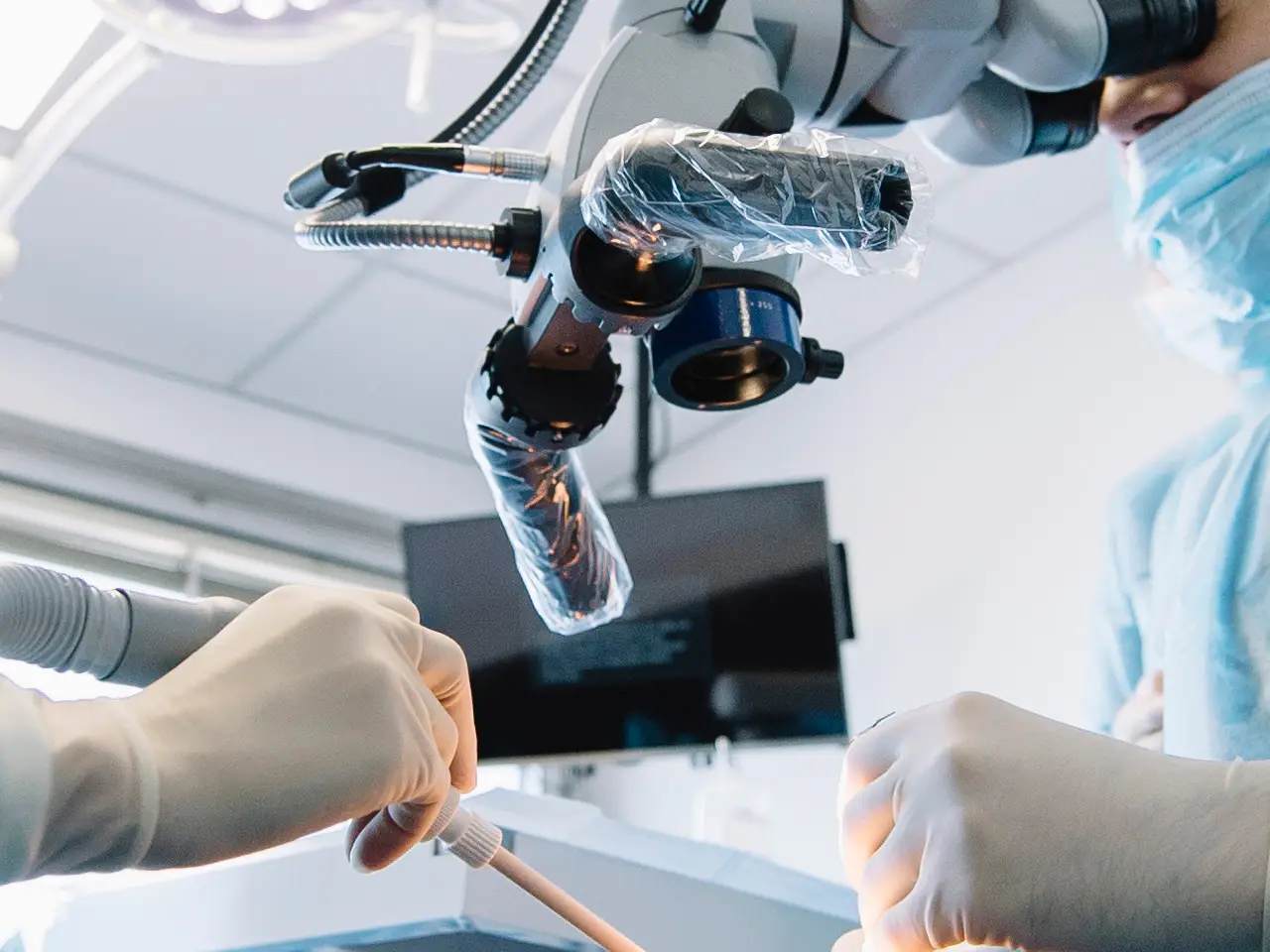
The dentist will examine the mouth and evaluate the extent of the injury. This may include checking the tooth socket, gum tissue, lips, neighboring teeth, bite, and jaw.
Dental imaging may also be used to identify fractures or other injuries that are difficult to see during a visual examination.
If the tooth is appropriate for replantation, the dentist may reposition it in the socket and stabilize it temporarily. A flexible dental splint may be used to connect the injured tooth to nearby teeth while the supporting tissues heal.
Additional treatment may be necessary later. The exact plan depends on several factors, including the patient’s age, the stage of tooth development, how the tooth was stored, how long it remained outside the socket, and the condition of the root.
What If the Tooth Is Loose but Did Not Come Out?
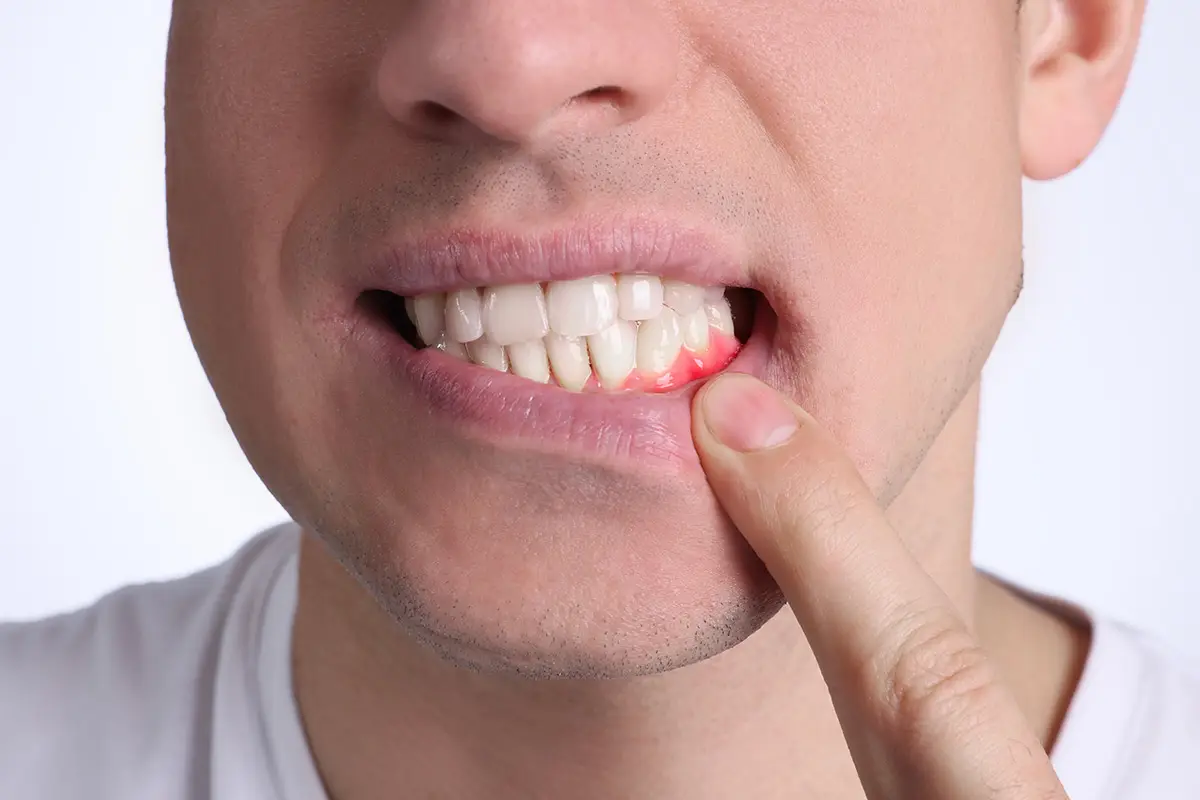
Dental trauma does not always remove a tooth completely. A tooth may become loose, shift sideways, move partially out of the socket, or be pushed farther into the gum.
These injuries are also important to evaluate promptly. Damage can involve the ligament, root, socket, nerve, or surrounding bone even when the tooth remains in the mouth.
Avoid repeatedly testing the tooth with your tongue or fingers. In addition, avoid chewing on the injured side until the dentist has evaluated it.
If a tooth appears to have moved out of position, do not force it back into place unless a dental professional has specifically instructed you to do so.
What If Part of the Tooth Broke Off?
If the tooth is still in its socket but part of it has fractured, try to locate the broken piece. Place the fragment in a clean container and bring it with you to the dental appointment.
Rinse your mouth gently with water. If the face is sore or swollen after the injury, apply a cold compress to the outside of the cheek for short intervals.
A small chip may require relatively straightforward restorative treatment. However, a deeper fracture can expose or irritate the inner portion of the tooth. Significant sensitivity, bleeding from the center of the tooth, severe pain, or a visibly deep fracture should receive urgent attention.
Depending on the damage, restorative dental treatment may eventually be recommended to rebuild or protect the tooth.
Benefits of Emergency Dental Care for a Knocked-Out Tooth
- Fast professional evaluation: A dentist can quickly determine whether the tooth can be replanted and stabilized.
- Protection of the tooth socket: The supporting gum and bone can be examined for damage associated with the accident.
- Evaluation of nearby teeth: Neighboring teeth may also be cracked, loose, or injured even when they initially appear normal.
- Management of discomfort: Emergency treatment can help address pain and sensitivity related to the injury.
- A plan for preserving the tooth: When replantation is possible, the dentist can stabilize the tooth and establish a follow-up schedule.
- Restorative planning when necessary: If the tooth cannot be saved, future tooth replacement options can be discussed after the injured tissues have been evaluated.
Common Mistakes to Avoid After a Tooth Is Knocked Out
Knowing what not to do can be almost as important as knowing what to do.
First, do not scrub the root. Even if the tooth appears dirty, aggressive cleaning can damage important tissues.
Second, do not disinfect the tooth with peroxide, alcohol, soap, or household cleaning products.
Third, do not allow the tooth to remain dry while traveling to the dentist. A dry paper towel or plastic bag does not provide an appropriate storage environment for a knocked-out permanent tooth.
Finally, do not delay calling the dentist because the bleeding has stopped or discomfort seems manageable. A knocked-out permanent tooth remains a dental emergency even when the patient is not experiencing severe pain.
Can a Knocked-Out Tooth Always Be Saved?
Unfortunately, no treatment can guarantee that every knocked-out tooth will survive. Several factors influence the outcome.
A tooth that receives prompt attention and remains moist generally has more favorable circumstances than a tooth that has been dry for an extended period. However, every dental injury is different.
The tooth may also have fractures, damage to the root, or injuries involving the socket. For this reason, the dentist must evaluate the entire situation rather than considering time alone.
If the tooth cannot be replanted or does not remain healthy afterward, that does not mean there are no options. Restorative dentistry can provide ways to address a missing tooth and restore chewing function once the tissues have healed enough for appropriate planning.
What Should You Eat After a Dental Injury?
Follow the instructions provided by your dentist. In many cases, softer foods may be recommended while an injured tooth or surrounding tissues heal.
Examples can include eggs, yogurt, soft pasta, mashed vegetables, smoothies eaten with a spoon, soups that are not excessively hot, and other foods that require minimal chewing.
Avoid biting directly with the injured tooth unless your dentist says it is safe. Hard, crunchy, sticky, or chewy foods can place unnecessary pressure on the area.
Continue cleaning your mouth according to your dentist’s instructions. Good oral hygiene is still important during healing, although you may need to brush gently around a splint or injured gum tissue.
How Can You Reduce the Risk of a Knocked-Out Tooth?
Not every accident can be prevented. However, protective habits can reduce the likelihood of certain dental injuries.
People who participate in contact sports or activities involving fast-moving objects should consider wearing an appropriate mouthguard. A mouthguard can help absorb and distribute forces that might otherwise strike the teeth directly.
In addition, avoid using your teeth to open bottles, packages, or containers. Teeth are designed for chewing food, not as tools.
Families can also prepare by keeping their dentist’s contact information easily accessible. During an emergency, knowing whom to call can save valuable time.
When Should a Dental Injury Go to the Emergency Room?
A knocked-out tooth itself is generally best treated by a dentist. However, accidents that cause dental trauma can also cause serious medical injuries.
Call 911 or seek emergency medical care if there is loss of consciousness, difficulty breathing, severe head trauma, suspected jaw fracture, uncontrolled bleeding, rapidly increasing facial swelling, or another potentially serious medical concern.
After the patient is medically stable, a dentist can evaluate the teeth and supporting tissues.
Get Emergency Dental Care for a Knocked-Out Tooth in Katy
A knocked-out permanent tooth requires quick action. Handle the tooth by the crown, avoid scrubbing the root, keep it moist, and contact a dentist promptly.
For help with a knocked-out, loose, broken, or injured tooth, contact Wilson Dentistry at (281) 693-6427. The practice is located at 620 S. Peek Rd., Katy, TX 77450. Request an appointment or Call Us Today if you are dealing with an urgent dental injury.
Frequently Asked Questions About Knocked-Out Teeth
Can a knocked-out permanent tooth be put back in?
In some situations, a knocked-out permanent tooth can be replanted. Prompt treatment, careful handling, proper storage, and the condition of the tooth and socket all influence treatment decisions.
Should I put a knocked-out baby tooth back in?
No. A knocked-out baby tooth should not be reinserted because doing so could affect the developing permanent tooth underneath.
How should I hold a knocked-out tooth?
Hold the tooth by its crown, which is the part normally visible in the mouth. Avoid touching, scraping, or scrubbing the root.