
A toothache can start as a dull distraction and become impossible to ignore within hours. If you are trying to decide whether the pain can wait, the safest approach is to pay attention to its intensity, duration, and any symptoms that appear with it. Wilson Dentistry provides emergency dentistry in Katy, TX for patients dealing with urgent pain, swelling, damaged teeth, and other problems that need prompt attention.
Not every toothache requires emergency dental care, but severe or persistent pain is your body’s way of signaling that something needs attention. A quick evaluation can help identify whether the cause is decay, a cracked tooth, an infection, gum inflammation, bite trauma, or another concern. More importantly, an emergency dentist can focus on relieving discomfort while protecting the tooth and surrounding tissues whenever possible.
What Makes Tooth Pain a Dental Emergency?
Tooth pain becomes more urgent when it is intense, does not improve, interferes with eating or sleeping, or comes with signs of infection or injury. In addition, sudden pain after a fall, sports impact, or biting on something hard may point to a fracture that is not easy to see at home. Because different dental problems can create similar symptoms, the level of pain alone does not always reveal what is happening.
For example, a small cavity may cause brief sensitivity to sweets or cold temperatures. However, if decay moves closer to the nerve inside the tooth, discomfort may linger or become spontaneous. A crack can behave differently, causing sharp pain when you bite or when you release pressure. Meanwhile, inflammation or infection around the root can create throbbing pain, tenderness, swelling, or pressure.
You should contact an emergency dentist when tooth pain is severe, rapidly worsening, or paired with other concerning changes. Wilson Dentistry can evaluate the source of the discomfort and explain what treatment options may be appropriate for the condition of the tooth.
Signs Your Toothache Needs Prompt Dental Care
Some symptoms are especially important because they can suggest that a toothache is more than temporary sensitivity. If any of the following are happening, contact a dentist promptly for guidance:
- Severe tooth pain that makes it difficult to sleep, eat, work, or concentrate
- Throbbing or pulsing discomfort that continues without an obvious trigger
- Pain when biting or chewing that is new or getting worse
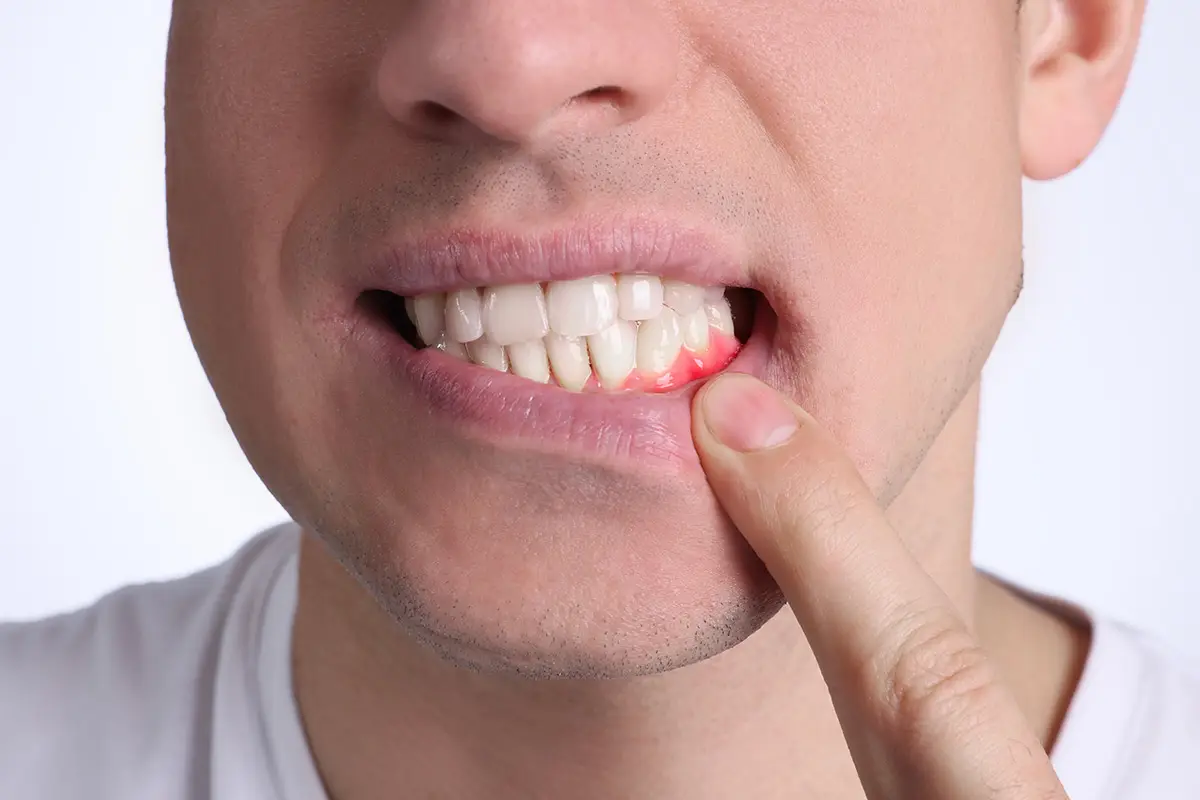
- Swelling of the gum near a painful tooth
- A pimple-like bump on the gum that drains or returns
- Facial swelling near the jaw, cheek, or lips
- Fever or feeling generally unwell along with dental pain
- A tooth that feels loose after an injury
- Sharp pain associated with a visible crack, chip, or broken restoration
- Bleeding that is difficult to control after an oral injury
These symptoms do not all mean the same thing. Therefore, an exam is important. The goal of emergency dental care is not simply to quiet the pain for a few hours. It is to find the source, stabilize the situation, and create a clear plan for restoring oral health.
Common Causes of Severe Tooth Pain
Deep Tooth Decay
Tooth decay can progress through the outer layers of a tooth and eventually irritate the nerve. Early cavities may cause little or no discomfort. As the problem becomes deeper, sensitivity can become stronger and last longer. If the nerve becomes significantly inflamed, the tooth may ache without any food or drink touching it.
Cracked or Fractured Teeth
A crack can develop after an impact, from biting a hard object, or from repeated pressure on a weakened tooth. Some cracks are visible, while others are difficult to detect without a dental examination. Pain that occurs when biting, especially on one side of the mouth, can be an important clue. Depending on the extent of the damage, restorative treatment may help protect the tooth. Wilson Dentistry also offers restorative dentistry for damaged teeth that need repair after the immediate problem is assessed.
Dental Infection or Abscess
A dental infection may develop inside a tooth or around its root. Pain can be intense, and swelling may appear in the gum or face. Some infections also cause a bad taste, drainage, fever, or tenderness when chewing. Because infection can spread beyond the tooth, symptoms involving swelling or fever deserve prompt attention.
Damaged Fillings or Crowns
A filling or crown protects tooth structure that has already been treated. If the restoration breaks, loosens, or falls out, the exposed tooth may become sensitive or painful. In addition, the remaining tooth can be vulnerable to further damage. An emergency dentist can evaluate whether the restoration can be repaired or replaced and whether the tooth underneath needs additional treatment.
Gum or Bite Problems
Not all tooth pain begins inside the tooth. Inflamed gum tissue, food trapped between teeth, grinding, clenching, or a change in the bite can also cause soreness. However, it can be difficult to tell the difference at home. A focused dental exam can help separate these possibilities and guide appropriate care.
What You Can Do Before Your Emergency Dental Visit
If you are waiting to be seen, keep the area as clean as you comfortably can. Gently rinse your mouth with warm water and brush carefully around the painful tooth. Flossing can sometimes remove food that is creating pressure between teeth. However, do not force floss beneath a loose restoration or around an area that is actively bleeding.
A cold compress placed on the outside of the face may help with swelling or soreness after an injury. Use short intervals and keep a layer of cloth between the cold source and your skin. Also, avoid placing aspirin directly on the tooth or gum. Aspirin can irritate oral tissues and does not treat the source of the problem.
If you normally can take an over-the-counter pain reliever, follow the product label and any instructions from your physician or pharmacist. Medication may reduce discomfort temporarily, but it should not be used as a substitute for evaluation when pain is severe or persistent.
When a Dental Problem Needs the Emergency Room
Most toothaches and broken teeth are best evaluated by a dentist. However, some situations require hospital-level emergency care. Call 911 or go to the nearest emergency department if you have trouble breathing or swallowing, rapidly increasing swelling that affects the face or neck, uncontrolled heavy bleeding, serious facial trauma, loss of consciousness, or other symptoms that could threaten your immediate health.
After the immediate medical concern is stabilized, dental treatment may still be needed. In those situations, your dentist can help address the tooth, bite, or oral tissues involved in the emergency.
Benefits of Emergency Dental Care for Severe Tooth Pain
- Faster relief: Prompt evaluation can identify the source of pain so treatment can focus on the actual problem rather than only masking symptoms.
- A better chance to preserve the tooth: Early care may provide more options when a tooth is cracked, infected, or otherwise compromised.
- Reduced risk of additional damage: Treating a damaged tooth or restoration can help keep the problem from becoming more extensive.
- Clear answers: An exam can determine whether the pain comes from decay, infection, a fracture, the gums, or another source.
- A personalized treatment plan: Emergency dentistry can stabilize the urgent issue and identify any restorative care that may be needed afterward.
- Peace of mind: Knowing what is happening and what to do afterward can make a stressful dental problem feel more manageable.
What to Expect From an Emergency Dentist in Katy
An emergency appointment usually begins with a discussion of what happened, where you feel pain, how long the symptoms have been present, and whether anything makes them better or worse. The dentist may examine the tooth, gums, bite, and surrounding tissues. Dental imaging may also be recommended when it can help reveal decay, infection, fractures, or changes around the tooth root.
Once the problem is identified, the immediate priority is to reduce pain and stabilize the area. Depending on the diagnosis, that could involve repairing a damaged restoration, treating a tooth, smoothing a sharp edge, protecting a fracture, addressing infection, or planning another restorative procedure. Some emergencies can be resolved in one visit, while others require follow-up care after the initial symptoms are under control.
At Wilson Dentistry, the goal is to make urgent care feel organized rather than overwhelming. Clear explanations can help you understand the condition of your tooth, the options available, and what to expect after treatment.
How to Lower Your Risk of a Future Dental Emergency
Not every emergency can be prevented, particularly accidents and sports injuries. Still, regular dental care can help identify problems before they create sudden pain. Routine examinations can reveal cavities, weakened restorations, worn enamel, gum concerns, and cracks that may deserve attention.
In addition, avoid using your teeth to open packages or bite objects that are not food. Be cautious with ice, hard candies, and other foods that can place heavy force on a vulnerable tooth. If you play contact sports, ask about an appropriate mouthguard. If you clench or grind your teeth, discuss whether a protective appliance may be suitable.
Most importantly, do not ignore a tooth that keeps sending warning signals. Sensitivity that becomes stronger, discomfort when biting, a recurring gum bump, or a filling that feels different can all be reasons to schedule an evaluation before the problem becomes more urgent.
Get Help for Tooth Pain in Katy, TX
You do not need to diagnose a severe toothache on your own. If pain is persistent, worsening, or accompanied by swelling or dental damage, a prompt evaluation can give you answers and a practical path forward.
For emergency dental care in Katy, contact Wilson Dentistry at (281) 693-6427 or request an appointment. Wilson Dentistry is located at 620 S. Peek Rd., Katy, TX 77450. Call Us Today for help determining the appropriate response to your dental emergency.